
Key Takeaways

- Market Research is Essential: Understand local demand and analyze competitors to identify service gaps for your tow truck business.
- Create a Comprehensive Business Plan: Outline your goals, services, and strategies to serve as a roadmap for establishing and growing your towing enterprise.
- Licenses and Insurance are Critical: Ensure compliance with local regulations by obtaining the necessary licenses and comprehensive insurance coverage to protect your business.
- Choose the Right Equipment: Invest in suitable tow trucks and essential tools to enhance operational efficiency and service capacity.
- Effective Marketing Strategies: Develop a strong brand identity and utilize both online and offline marketing tactics to attract and retain customers.
- Focus on Customer Relationships: Build trust and loyalty by providing excellent customer service, addressing complaints promptly, and creating referral partnerships with local businesses.
Starting a tow truck business can be a rewarding venture, especially if you’re passionate about helping others in need. Whether it’s rescuing stranded motorists or transporting vehicles, this industry offers a unique opportunity to turn your skills into a profitable enterprise. With the right knowledge and planning, you can navigate the challenges and set yourself up for success.
In a world where vehicles break down unexpectedly, the demand for towing services remains strong. You’ll find that understanding the ins and outs of the industry is crucial to establishing a reliable and efficient operation. From choosing the right equipment to understanding local regulations, every step you take will pave the way for a thriving business. Get ready to dive into the essentials of starting your own tow truck company and discover how you can make a difference in your community while building a successful career.
How to Start a Tow Truck Business

Starting a tow truck business involves several critical steps. Each step contributes to building a successful small business in the towing industry.
- Research local market demand. Analyze competitors and assess service gaps. Understanding market needs ensures your business fills a void.
- Create a business plan. Outline goals, revenue projections, and marketing strategies. A comprehensive business plan serves as a roadmap for your tow truck enterprise.
- Select your services. Choose between light-duty towing, heavy-duty towing, or roadside assistance. Clearly defined services attract specific customer segments.
- Obtain necessary licenses and permits. Research local regulations. Compliance with licensing and permits ensures legal operation and builds customer trust.
- Acquire your tow truck. Invest in reliable equipment that meets your service needs. Quality tow trucks enhance operational efficiency and safety.
- Purchase insurance. Obtain liability and towing insurance. Proper coverage protects your business against potential lawsuits and accidents.
- Develop a marketing strategy. Utilize online advertising, social media platforms, and local networking. Effective marketing increases visibility and attracts customers.
- Build relationships with clients. Foster connections with local businesses and law enforcement. Establishing partnerships enhances business referrals and credibility.
- Set competitive pricing. Analyze competitors to determine fair rates. Competitive pricing attracts customers while ensuring profitability.
- Implement efficient operational procedures. Streamline dispatch operations and maintenance scheduling. Efficiency reduces downtime and improves service response time.
Following these steps simplifies the process of starting a tow truck business, positioning you for success in the towing industry.
Understanding the Towing Industry

Understanding the towing industry forms the foundation of your small business venture. This section provides essential insights into the market dynamics and target audience relevant to your tow truck business.
Overview of the Tow Truck Business
The tow truck business encompasses various services catering to diverse needs. Revenue for the towing industry remains robust, projected to exceed $14.5 billion by 2025 with a CAGR of 5.4% over the past five years. General towing services cover local tows for vehicles that break down or need transport to repair shops. Heavy-duty towing services cater to vehicles exceeding 17,000 pounds, like trucks and construction equipment. Specialty towing involves the careful handling of unique vehicles such as classic or exotic cars, ensuring privacy and extra care.
Market Research and Target Audience
Conducting market research is critical for identifying your target audience and understanding local demand. Assess competitors’ offerings, pricing, and customer reviews. Include details on your specific services like light-duty towing or roadside assistance. Target customers commonly include stranded motorists, businesses needing fleet vehicle transport, and individual owners of specialty vehicles. Prioritize developing strong relationships with local businesses for referrals. Tailor your marketing strategies to the local community, ensuring visibility and accessibility for those who require towing services.
Planning Your Tow Truck Business

Planning forms the backbone of your tow truck business. Focusing on the following areas sets a clear path to success.
Creating a Business Plan
Craft a comprehensive business plan that outlines your objectives and strategies. Include essential elements such as your business name, location, and range of services offered like emergency towing and long-distance towing. Detail your target market, such as motorists, auto repair shops, and insurance companies. Use this document as a roadmap to guide decisions, secure financing, and prepare for potential challenges.
Setting a Budget and Financing Options
Establish a detailed budget that encompasses startup costs and ongoing expenses. Include expenditures for tow trucks, equipment, insurance, and marketing. Explore financing options like small business loans, grants, or investor funding to support initial investments. Track financial progress and adjust your budget as necessary to ensure the sustainability of your tow truck business.
Legal Requirements and Licensing

Establishing a tow truck business requires adherence to specific legal requirements and licensing protocols.
Business Structure and Registration
Selecting a business structure is critical for your tow truck company. You have options such as:
- Sole Proprietorship: This option is straightforward but lacks liability protection. It suits individuals seeking simplicity.
- Limited Liability Corporation (LLC): An LLC offers liability protection while allowing operational flexibility. Forming an LLC involves filing Articles of Organization with your state’s Secretary of State. You must include the business name, purpose, and members’ names and addresses.
- C Corporation (C Corp): Opting for a C Corp provides more complex structures and potential tax benefits. Formation requires filing Articles of Incorporation with your state’s Secretary of State, detailing your business name, purpose, and the names and addresses of directors and officers.
Obtaining Necessary Permits and Licenses
Acquiring the necessary permits and licenses varies depending on your location. Typically, you’ll need:
- Towing License: Required in many states for operation. Research state-specific requirements to ensure compliance.
- Business License: Most municipalities require a general business license for operation.
- Vehicle Registration: Ensure all tow trucks are properly registered with your local Department of Motor Vehicles.
- Health and Safety Permits: Certain jurisdictions mandate these to ensure compliance with local regulations.
Insurance Requirements
Securing appropriate insurance protects your business from potential liabilities. Key policies include:
- Liability Insurance: Covers damages caused during towing operations.
- Commercial Vehicle Insurance: Protects your tow trucks and any vehicles you transport.
- Equipment Insurance: Ensures coverage for equipment like winches and towing apparatus.
Acquire an insurance package tailored to your specific services and operational risks. Adhering to these legal requirements and licensing steps sets a solid foundation for your small business in the towing industry.
Choosing Your Tow Truck

Selecting a tow truck represents a crucial component of launching your tow truck business. The choice of truck affects operational efficiency and service capability.
Types of Tow Trucks
- Light-Duty Tow Trucks: Ideal for smaller vehicles such as cars and motorcycles. Light-duty trucks can handle basic towing needs including roadside assistance.
- Medium-Duty Tow Trucks: Suitable for larger vehicles like vans or buses. Medium-duty trucks offer versatility for various towing scenarios.
- Heavy-Duty Tow Trucks: Designed for heavy vehicles such as trucks and buses. Heavy-duty trucks are essential for tackling significant towing challenges and provide robust support.
- Specialty Tow Trucks: Customized for unique requirements like flatbeds for exotic cars. Specialty trucks expand your business offerings and appeal to niche markets.
New vs. Used Tow Trucks
- New Tow Trucks: Offer warranties and the latest technology. Investing in a new truck ensures reliability but carries higher initial costs.
- Used Tow Trucks: Present a budget-friendly option for a small business. A thorough inspection is necessary to ensure the truck’s condition and functionality meet operational demands.
Recommended Features and Equipment
- Winch System: Essential for lifting and securing vehicles. A reliable winch enhances efficiency in towing operations.
- Recovery Straps and Chains: Necessary for various towing tasks. Quality straps and chains provide safe and effective vehicle movement.
- Emergency Lights: Important for visibility and safety during roadside service. Invest in high-quality lights to comply with regulations and ensure roadside safety.
- Tool Kit: Includes basic tools for minor repairs. Having a tool kit on hand can expedite roadside assistance, enhancing customer satisfaction.
- GPS Navigation: Supports efficient routing during towing jobs. GPS technology aids in responding quickly to customer needs and reduces delays.
- Safety Equipment: Includes cones and reflective vests. Proper safety gear ensures compliance with safety standards and protects you and your clients during operations.
Choosing the right tow truck and equipping it with essential features significantly influences the success of your towing business.
Setting Up Your Operation
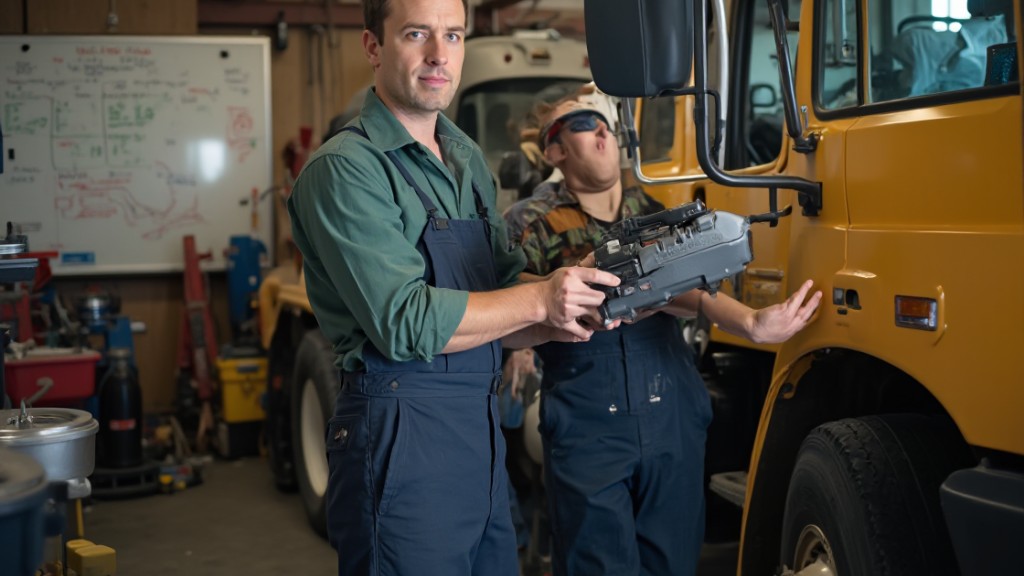
Establishing a solid foundation for your tow truck business involves several key components. Focusing on location, staffing, and community connections ensures a well-rounded operation.
Location and Office Setup
Choose a strategic location that maximizes visibility and accessibility. Select a site near busy roads or major highways to attract more clients. Design an efficient office layout that accommodates your staff and equipment. Include areas for dispatch operations, customer service, and vehicle storage. Ensure compliance with zoning regulations, especially if you operate vehicles overnight.
Hiring the Right Staff
Recruit skilled personnel essential for effective operations. Prioritize candidates with experience in towing, customer service, and dispatching. Verify that all drivers possess necessary certifications and commercial driver’s licenses. Implement a training program that covers safety protocols and servicing techniques to enhance employee performance and customer satisfaction.
Establishing Relationships with Local Companies
Develop connections with local auto repair shops, insurance companies, and law enforcement agencies. Build partnerships that facilitate referrals and boost business exposure. Attend local networking events to introduce your services, promoting goodwill in the community. Cultivate trust and reliability, as strong collaborations lead to increased customer loyalty and business growth.Marketing Your Tow Truck Business

Generating awareness and attracting customers plays a crucial role in your tow truck business. Focus on building a strong brand and employing effective marketing strategies.
Developing a Brand Identity
Establish a unique and memorable brand identity. Choose a business name that reflects reliability and professionalism. Create a logo that is visually appealing and communicates your services. Develop a consistent color scheme and typography for your marketing materials, ensuring they represent your brand personality. Register your branding elements to protect your business identity.
Online and Offline Marketing Strategies
Implement diverse marketing strategies to reach a broader audience.
- Website and SEO: Build an SEO-friendly website containing service details and emergency contact information. Optimize your site to rank higher in search engine results, thus making it easier for potential customers to find you.
- Social Media: Leverage platforms like Facebook, Instagram, and Twitter. Create engaging posts with photos and videos that showcase your services. Boost posts featuring positive customer reviews to enhance your online reputation.
- Targeted Ads: Utilize targeted ads on social media. Focus on local customers to promote emergency towing services, discounts, and special offers. Retarget visitors to your page to keep your brand top-of-mind.
- Video Ads: Produce video ads that highlight your tow trucks in action and include customer testimonials to build trust and credibility.
Building Partnerships with Local Businesses
Forge strategic partnerships to enhance your visibility and customer base. Collaborate with local auto repair shops, insurance companies, and roadside assistance programs. Offer referral incentives for businesses that send customers your way. Participate in community events to showcase your services, foster relationships, and generate word-of-mouth referrals. Building a network of local businesses strengthens your brand presence and establishes credibility within your community.
Operating Your Tow Truck Business

Operating a tow truck business involves efficient day-to-day management, strategic pricing, and strong customer relationship management. Each of these elements contributes significantly to your success and growth.
Day-to-Day Operations
Implement effective day-to-day operations to enhance service efficiency. Define clearly structured processes for dispatching, service requests, and vehicle recovery. Monitor operational performance regularly to identify and rectify issues. Consider utilizing dispatch software to manage requests accurately and reduce response times. Employ skilled staff who understand towing protocols and customer service expectations. Conduct regular training sessions to ensure your team maintains high standards of safety and performance. Maintain your tow trucks consistently to guarantee reliability and reduce breakdowns.
Pricing Your Services
Set competitive prices for your towing services based on local market analysis. Research competitor pricing for similar services in your area. Analyze your operational costs including fuel, maintenance, labor, and insurance to establish profitable rates. Consider factors such as vehicle type, distance towed, and time of day when determining fees. Offer clear pricing structures that customers can easily understand. Implement flexible payment options to accommodate different customers’ needs while ensuring profitability.
Managing Customer Relationships
Build strong relationships with your customers through excellent service and communication. Establish clear channels for customers to reach you via phone, email, or social media. Respond promptly to inquiries and service requests. Maintain professionalism and empathy, especially in stressful situations like vehicle breakdowns. Collect customer feedback to improve service quality and address concerns effectively. Consider offering loyalty programs or discounts for repeat customers to encourage their continued business and enhance customer satisfaction.
Troubleshooting Common Issues

Addressing common issues effectively enhances operational success in your tow truck business.
Addressing Vehicle Breakdowns
Ensure a proactive maintenance strategy for your tow truck fleet to minimize breakdowns. Schedule regular inspections and servicing for engine performance, transmission functionality, and brake effectiveness. Equip each vehicle with an emergency toolkit that includes items such as spare tires, jumper cables, and basic repair tools. Provide training for drivers on handling minor repairs to reduce downtime. Implement a rapid response system for severe breakdowns to maintain service reliability.
Handling Customer Complaints
Establish a clear protocol for managing customer complaints to foster positive relationships. Listen actively to customer concerns, showing empathy and understanding toward their situations. Train your staff to remain calm and professional when addressing issues. Offer resolutions promptly, whether through discount services, immediate follow-ups, or ensuring a swift resolution process. Document complaints and their resolutions to identify patterns and enhance service quality over time.
Compliance and Legal Challenges
Remain vigilant about compliance with local regulations to avoid legal complications. Regularly review local towing regulations, business licenses, and permits pertinent to your operations. Maintain updated insurance coverage specifically tailored to protect your enterprise against liabilities. Attend training or seminars related to towing laws and safety standards in your area. Establish a clear documentation process to record compliance efforts and communications with regulatory bodies to support your operations and ensure adherence to necessary guidelines.
Tips for Growing Your Tow Truck Business

Growing a tow truck business requires strategic decisions and innovative practices. Focus on enhancing service efficiency and expanding offerings to attract more clients.
Expanding Your Service Offerings
Expand your services to cater to a broader clientele. Consider adding specialized services such as motorcycle towing, long-distance transport, or emergency roadside assistance. Diversifying service options can attract individual vehicle owners, businesses, and corporate accounts. Implementing bundled packages or memberships can also encourage repeat customers. Target additional markets like construction sites or event venues that require regular towing services. Customize offerings based on local demand to optimize your service portfolio.
Leveraging Technology for Efficiency
Implement technology to streamline business operations and improve customer service. Utilize towing management software for scheduling, dispatching, and tracking tow trucks in real time. Employ GPS systems to enhance route efficiency, reducing response times, and fuel costs. Launch a user-friendly website that includes online booking and payment options for enhanced convenience. Integrate customer relationship management (CRM) tools to maintain client records and foster loyalty through targeted communications and promotions. Adopting these technologies cultivates a more efficient and responsive business environment, essential for growth in this competitive small business sector.
Conclusion

Starting a tow truck business offers you a chance to make a real difference in your community while tapping into a growing market. By following the essential steps outlined in this guide you can build a solid foundation for your venture.
Focus on understanding your local market and regulations while investing in the right equipment and insurance. With a strong marketing strategy and community connections you’ll attract customers and foster lasting relationships.
As you grow your business don’t shy away from expanding your services and leveraging technology to streamline operations. With dedication and strategic planning your tow truck business can thrive and provide invaluable assistance to those in need.
Frequently Asked Questions

What are the initial steps to start a tow truck business?
To start a tow truck business, research local market demand and competitors, then create a comprehensive business plan. Choose specific services like light-duty towing or roadside assistance, and obtain the necessary licenses and permits for legal operation.
Do I need a special license to operate a tow truck?
Yes, you typically need a towing license, business license, and vehicle registration. The exact requirements vary by location, so it’s essential to check local regulations for specific licensing and permits needed.
What types of tow trucks should I consider buying?
Consider the nature of your services when choosing a tow truck. Common types include light-duty, medium-duty, heavy-duty, and specialty trucks. Each serves different towing needs, so select one that aligns with your target market.
How can I effectively market my tow truck business?
Develop a strong brand identity with a memorable name and logo. Utilize online marketing strategies, including an SEO-friendly website and social media, alongside traditional methods like flyers and community partnerships to enhance visibility.
What role does customer service play in a tow truck business?
Excellent customer service is crucial for building relationships and securing repeat business. Train staff to handle customer complaints effectively and foster positive interactions, which can lead to referrals and a stronger reputation in the community.
How can I secure financing to start my tow truck business?
Explore financing options like small business loans or grants. Developing a detailed budget and business plan will help present your case to lenders, showing them how you plan to use the funds for success.
What are the key operational elements I should implement?
Implement efficient operational procedures to enhance service response times. This involves choosing a strategic location, hiring skilled staff, maintaining compliance with zoning laws, and nurturing relationships with local businesses for referrals.
Why is understanding local regulations important for a towing business?
Understanding local regulations helps you avoid legal issues and ensures compliance with towing laws. Regularly reviewing these regulations keeps your business aligned with legal requirements, protecting you from potential fines or penalties.
How can I handle common issues in a tow truck business?
Proactively maintain your tow truck fleet to minimize breakdowns and ensure reliability. Develop protocols for addressing customer complaints effectively and reassure compliance with local towing laws to prevent operational setbacks.
What strategies can help grow my tow truck business?
Consider expanding your service offerings, such as adding motorcycle towing or emergency roadside assistance. Leverage technology for improved customer service, and make strategic decisions to enhance operational efficiency and client reach.
Image via Google Gemini