
Key Takeaways
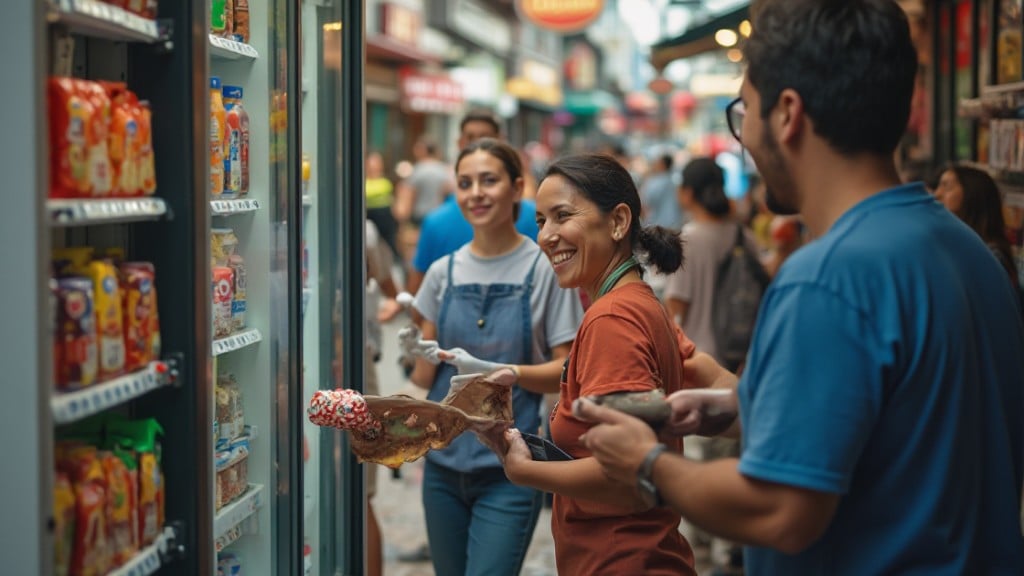
- Low Startup Costs: Vending businesses have low initial investment, making them accessible for aspiring entrepreneurs seeking passive income opportunities.
- Importance of Market Research: Understanding target demographics and competitors enhances product selection and increases the likelihood of success in high-traffic locations.
- Product Variety: Offering a mix of traditional snacks and health-conscious options can help attract a wider customer base and meet diverse consumer preferences.
- Strategic Location Choice: Placing vending machines in high-traffic areas, such as schools, offices, and gyms, is essential for maximizing visibility and sales.
- Compliance with Regulations: Familiarizing yourself with local laws and obtaining necessary licenses and permits ensures smooth operations and legal compliance for your vending business.
- Effective Marketing Strategies: Building a strong brand identity and leveraging social media are crucial for promoting your vending business and engaging with potential customers.
If you’ve ever thought about starting your own business, a vending machine venture might be the perfect fit. With low overhead costs and the potential for passive income, it’s an appealing option for aspiring entrepreneurs. You can tap into a growing market by offering convenient snacks and drinks to busy people on the go.
Getting started doesn’t have to be overwhelming. With the right knowledge and a solid plan, you can navigate the world of vending machines and set yourself up for success. From choosing the right location to selecting products that sell, this guide will walk you through the essential steps to launch your vending business and thrive in this competitive industry.
Understanding the Vending Business

Vending businesses offer low startup costs and potential for passive income, making it an attractive option for small business owners. The convenience of accessible snacks and drinks attracts busy individuals, contributing to a growing market.
Several key factors define the vending business landscape:
- Market Research: Research your target demographics and their preferences. Understanding what products appeal to your potential customers increases your chances of success.
- Product Selection: Choose a variety of popular snacks and beverages. Offering healthy options alongside traditional items can attract a broader customer base.
- Location Strategy: Scout high-traffic areas for placing your vending machines. Locations such as schools, office buildings, and hospitals yield higher foot traffic, translating to more sales.
- Maintenance and Management: Regularly check your vending machines for stock levels and functionality. Efficient management ensures a positive customer experience and maximizes your revenue.
- Licensing and Regulations: Familiarize yourself with local regulations and obtain any necessary permits. Compliance is critical for ensuring smooth operations and avoiding legal issues.
By understanding these elements, you can confidently navigate how to start a vending business and build a successful small business.
Market Research

Conducting thorough market research lays the foundation for your vending business. You’ll uncover consumer needs and understand the competitive landscape, which enhances your chances of success as a startup in the small business sector.
Identifying Your Target Audience
Knowing your target audience is crucial. Consider locations with high foot traffic, such as offices, schools, gyms, and transportation hubs, where busy individuals seek convenient snack and beverage options. Gather data through surveys or focus groups to identify popular product preferences like healthy snacks or drinks. This information helps you tailor your offerings and attract repeat customers.
Analyzing Competitors
Competitor analysis provides valuable insights into market dynamics. Research existing vending services in your target area. Look at their product selections, pricing strategies, and location choices. Analyze customer reviews to determine strengths and weaknesses. Understanding competitive positioning enables you to differentiate your vending business effectively, ensuring you meet unfulfilled customer needs in the market.
Selecting Your Vending Products

Selecting the right products for your vending machine is crucial for your small business success. You must align your offerings with consumer preferences and market trends to maximize profitability.
Snack and Beverage Options
Traditional snack and beverage options remain popular choices.
- Soda: Despite some decline in sales, soda maintains its status as a staple for many consumers. Offering varieties from leading brands like Coca-Cola and Pepsi attracts customers.
- Water: Bottled water stands out as a bestseller. Incorporating this option in your selection addresses consumer demand for hydration.
- Snacks: Stock a variety of snacks such as potato chips, savory items, and sweets like chocolate. Catering to diverse taste preferences enhances the appeal of your vending machine.
Health-Conscious Choices
Health-conscious options can significantly boost your sales.
- Granola Bars: These provide a convenient, nutritious snack alternative, appealing to busy individuals.
- Fruit: Providing fresh fruits, such as apples or bananas, caters to health-focused consumers seeking natural options.
- Nut Mixes: Offering mixed nuts can attract those looking for protein-rich snacks while being mindful of their dietary choices.
Incorporating both traditional and health-conscious selections ensures your small business meets a broad range of customer needs, fostering loyalty and repeat business.
Choosing the Right Vending Machines

Selecting the right vending machines is crucial for your small business. The type of machines you choose impacts customer satisfaction and your overall success.
Types of Vending Machines
- Standard Machines: These machines dispense snacks and drinks, appealing to a wide audience. They represent the most common type of vending option.
- Specialized Machines: Consider specialized machines for unique offerings like hot coffee, soup, salad, beauty products, or electronics. These cater to specific consumer needs based on location and target market.
- Grid-Style Machines: Ideal for small items, grid-style machines work well in busy environments. They accommodate various snacks and beverages.
- Conveyor Machines: Conveyor machines serve fixed-packaged items effectively. They suit meal boxes and other similar products, maximizing your product range.
Features to Consider
- Payment Options: Ensure your machines accept various payment methods, including cash, credit cards, and mobile payments. Flexibility enhances customer convenience.
- Size and Capacity: Assess machine dimensions and product storage capacity. Choose sizes that fit your location while accommodating sufficient product variety.
- Branding and Aesthetics: Opt for machines that align with your branding. Eye-catching designs attract customers and enhance brand recognition.
- Technology Integration: Consider machines with advanced technology features, like inventory tracking and remote management. This tech simplifies operations and improves efficiency.
- Energy Efficiency: Select energy-efficient models to reduce operational costs. These machines consume less power, contributing to overall savings for your startup.
By choosing the right vending machines with these considerations in mind, you can cater effectively to your target audience, boosting the chances of your small business success.
Location Selection

Selecting the right location for your vending machines is crucial to your small business success. High-traffic areas significantly boost visibility and sales potential. Consider the following factors when choosing locations for your vending machines.
High-Traffic Areas
Identify high-traffic locations to enhance visibility and drive sales. Look for places like:
- Office Buildings: Busy professionals often seek quick snacks or beverages during breaks.
- Schools: Students frequently desire snacks during lunch or after school.
- Gyms: Health-conscious individuals need convenient access to healthy snacks and drinks.
- Transportation Hubs: Train stations and airports attract a diverse crowd looking for quick options.
Higher foot traffic increases sales opportunities. Conducting market research helps you pinpoint optimal locations tailored to specific consumer demographics.
Negotiating Placement Agreements
Negotiating placement agreements can establish mutually beneficial partnerships. Follow these steps for successful negotiations:
- Research the Location: Understand the area’s demographics and foot traffic patterns.
- Prepare a Proposal: Create a clear proposal outlining benefits for the property owner, including profit-sharing models.
- Establish Terms: Agree on essential terms like lease duration, maintenance responsibilities, and any restrictions on product selections.
- Communicate Effectively: Ensure a transparent dialogue, addressing any concerns the property owner may have.
Winning placements in high-traffic areas increases your chances of thriving in the vending machine market while effectively starting a small business.
Legal and Financial Considerations

When starting a vending machine business, understanding legal and financial aspects is crucial for success. Knowledge of public liability, licensing, insurance, and budgeting ensures smooth operations and compliance with regulations.
Licensing and Permits
You need to obtain a business license to start your vending business. Business licenses vary by state and local jurisdiction, so research your area’s requirements. Some areas might also require additional permits for specific machine types or locations. Contact local government offices to gather necessary information, ensuring compliance with all regulations.
Budgeting for Your Business
Budgeting is a fundamental aspect of launching your small business. Start by calculating initial investment costs, including vending machines, product inventory, and permits. Estimate ongoing expenses like maintenance, insurance, and location rent.
| Expense Category | Suggested Budget |
|---|---|
| Initial Equipment Purchase | $2,000 – $10,000 per machine |
| Inventory Costs | $300 – $500 per location |
| Insurance Costs | $300 – $1,000 annually |
| Licenses and Permits | $50 – $500 depending on locale |
By maintaining a detailed budget and tracking expenses, you ensure financial stability as you progress in your vending business.
Marketing Your Vending Business
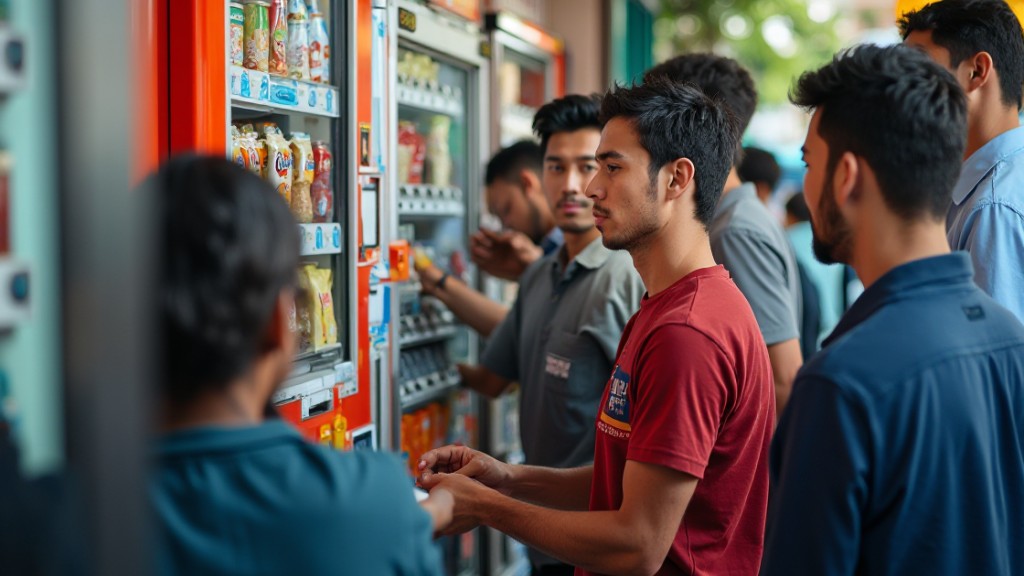
Marketing effectively influences your vending business’s success. Focus on strategies that capture attention and drive sales.
Creating a Brand
Create a strong brand identity that resonates with your audience. Engage with customers through consistent visuals, language, and messaging.
- Develop a Logo: Design a professional logo that reflects your brand values and appeals to your target market.
- Establish Brand Colors: Select colors that evoke specific emotions and align with your vending offerings.
- Craft a Tagline: Write a memorable tagline summarizing your vending business’s purpose or mission.
- Promote Your Brand: Utilize flyers, business cards, and vending machine branding to create visibility.
Using Social Media to Promote
Use social media as a powerful tool to reach potential customers. Choose platforms that fit your target demographic.
-
Create Profiles: Establish a presence on popular platforms like Facebook, Instagram, and Twitter.
- Engage Your Audience: Post regular updates, promotions, and engaging content to encourage interaction.
- Showcase Products: Highlight unique offerings, including healthy snacks and specialty items, to attract diverse customers.
- Run Contests or Giveaways: Create excitement around your brand by offering prizes that encourage sharing and customer engagement.
- Gather Customer Feedback: Use social media to collect feedback, enhancing your offerings and customer satisfaction.
Integrating effective branding and social media strategies is crucial to marketing your vending business and ensuring long-term success.
Conclusion
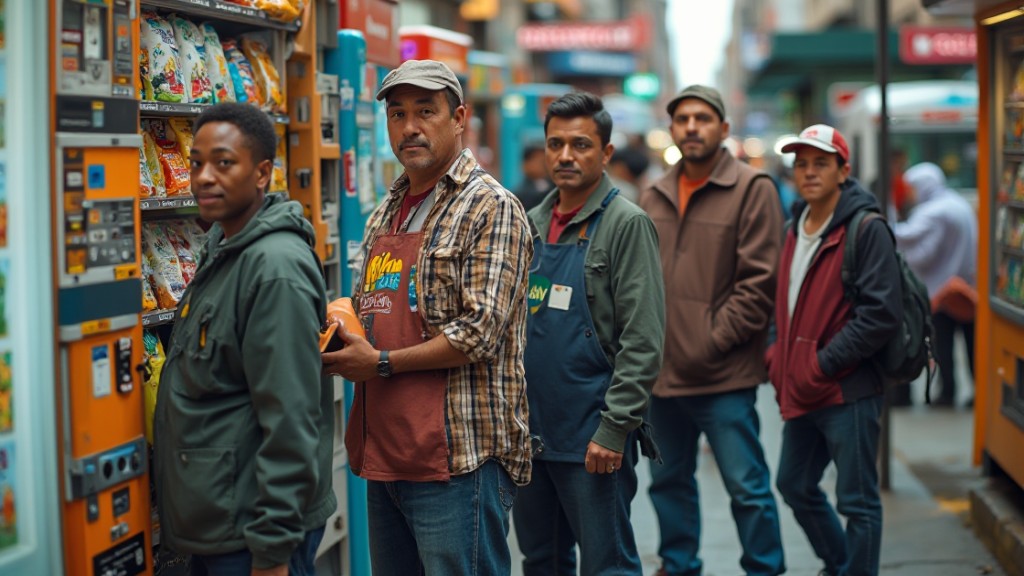
Starting a vending business can be a rewarding venture that offers flexibility and the potential for passive income. By focusing on market research and selecting the right products for your target audience, you can create a successful operation.
Choosing strategic locations and maintaining your machines will enhance customer satisfaction and drive sales. Don’t overlook the importance of branding and marketing to establish a strong presence in your community.
With careful planning and execution, you can carve out your niche in this growing industry and enjoy the benefits of entrepreneurship. Take the leap and turn your vending business dreams into reality.
Frequently Asked Questions

What are the benefits of starting a vending machine business?
Starting a vending machine business offers low overhead costs, potential for passive income, and flexibility. With the rising demand for convenient snacks and drinks, it’s an appealing option for aspiring entrepreneurs.
How do I conduct market research for my vending business?
Conduct market research by gathering data on customer preferences through surveys, focus groups, and competitor analysis. This helps you understand consumer needs and identify suitable products for your machines.
What types of products should I include in my vending machines?
Include a mix of traditional snacks and beverages, along with health-conscious options like granola bars and fresh fruits. Tailoring your product selection to customer preferences can enhance satisfaction and encourage repeat business.
Where should I place my vending machines for maximum visibility?
Ideal locations include high-traffic areas like office buildings, schools, gyms, and transportation hubs. Researching and negotiating placement agreements with property owners is crucial for successful installations.
What are the legal requirements for starting a vending machine business?
Understand local regulations and obtain necessary permits and licenses. Requirements may vary by state or locality, so ensure compliance to operate smoothly and securely.
How can I effectively market my vending machine business?
Create a strong brand identity with a professional logo and consistent branding. Utilize social media to promote your products, engage with customers, and showcase unique offerings to boost visibility and sales.
Image via Google Gemini