Key Takeaways
- Nostalgic Appeal: Old products hold a unique charm that evokes memories and resonate deeply with consumers, making them desirable for their aesthetic and emotional value.
- Historical Importance: Vintage items reflect historical advancements and cultural shifts, providing small businesses with opportunities to connect with their customers through stories and authenticity.
- Sustainability: Using old products promotes environmental responsibility by reducing waste and minimizing resource consumption, attracting eco-conscious customers.
- Economic Benefits: Sourcing vintage items can lower operational costs and create distinctive offerings for small businesses, enhancing brand loyalty and driving sales.
- Timeless Fashion: Classic clothing and vintage technology remain popular, appealing to consumers who value uniqueness and sustainability in their purchasing decisions.
- Challenges: Maintaining old products can lead to higher maintenance costs and sourcing difficulties, making it essential for businesses to weigh the benefits against potential operational challenges.
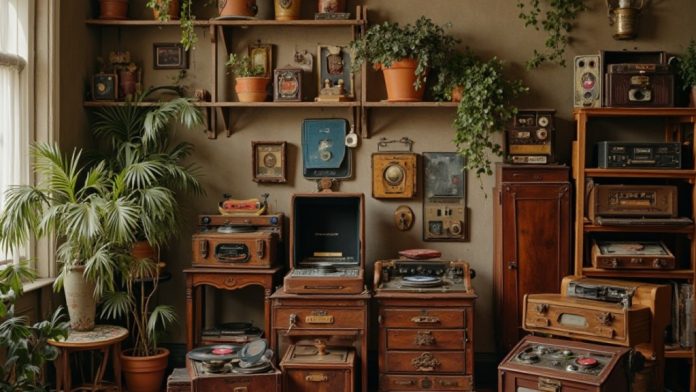
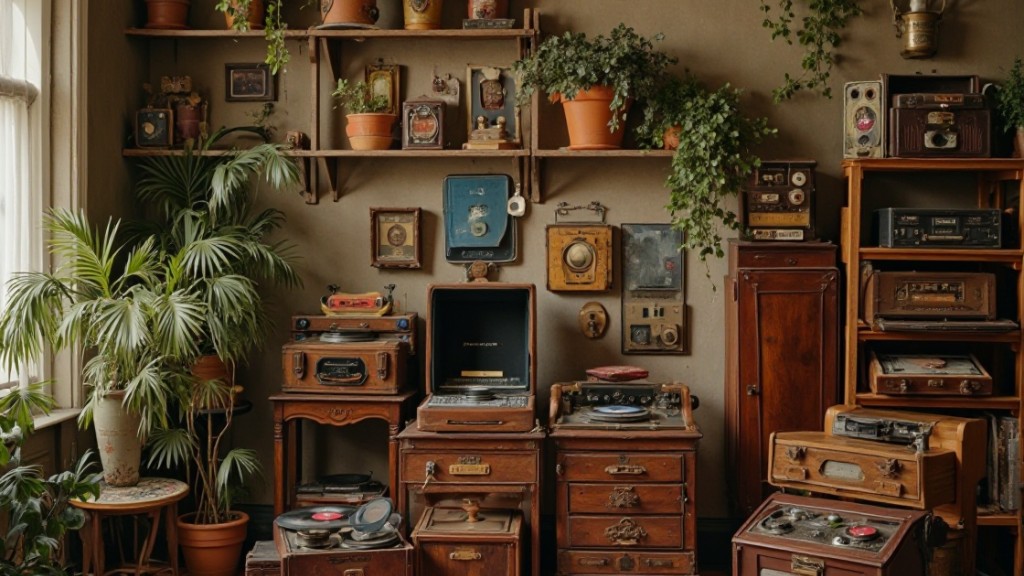
In a world driven by constant innovation, old products often get overshadowed by the latest trends. Yet, these vintage items hold a unique charm and nostalgia that modern alternatives can’t replicate. Whether it’s a classic vinyl record or a retro kitchen appliance, old products tell stories of their time and evoke memories that resonate with many.
Exploring the allure of these timeless treasures reveals not just their aesthetic appeal but also their enduring functionality. You might be surprised to learn how some of these products have stood the test of time, becoming sought-after collectibles. Join us as we delve into the fascinating world of old products and discover why they continue to capture our hearts and imaginations.
The Value of Old Products
Old products carry significant value beyond their age. They symbolize craftsmanship, evoke nostalgia, and often represent a more sustainable choice in a tech-driven world.
Historical Significance
Old products often hold historical value that captures moments in time. They tell stories about innovation and cultural shifts. For instance, mid-century kitchen appliances showcase advancements in technology and design, reflecting the era’s values. These items can appeal to small businesses looking to create a unique and authentic brand identity, as they provide a tangible connection to the past.
Cultural Impact
Old products impact culture by influencing contemporary trends and design preferences. Retro items, like vinyl records, inspire modern artists and creators, illustrating how past innovations shape current tastes. Collectibles attract enthusiasts who appreciate the craftsmanship and history, creating viable opportunities for small businesses. Engaging with this consumer interest can foster community and drive sales by appealing to nostalgia in a tech-centric marketplace.
Benefits of Using Old Products
Using old products offers numerous advantages that can enhance your small business while fostering environmental responsibility and economic growth.
Sustainability and Environmental Impact
Using old products, whether through upcycling or recycling, significantly reduces waste generation. By extending the lifespan of items, you minimize the amount of waste sent to landfills. This approach preserves natural resources such as timber and minerals while decreasing the demand for new raw materials. Additionally, repurposing materials reduces energy consumption during production, minimizing greenhouse gas emissions and combating climate change. Engaging with sustainable practices through old products not only benefits the environment but also attracts eco-conscious customers to your small business.
Economic Advantages
Investing in old products can lead to financial savings and create unique selling propositions for your small business. Sourcing vintage or second-hand items often costs less than new technology, allowing you to maintain a competitive edge while offering distinctive products. You can also capitalize on the growing consumer interest in sustainable shopping. By showcasing upcycled or refurbished items, your business can tap into a niche market that values sustainability and craftsmanship, ultimately enhancing brand loyalty and customer engagement. Embracing old products can transform potential liabilities into valuable assets that drive sales and establish your business as a leader in the sustainable movement.
Popular Old Products
Old products, especially vintage items, hold an enduring appeal for both consumers and small businesses. The charm and nostalgia surrounding these products attract eco-conscious buyers and offer unique selling propositions for your business.
Vintage Technology
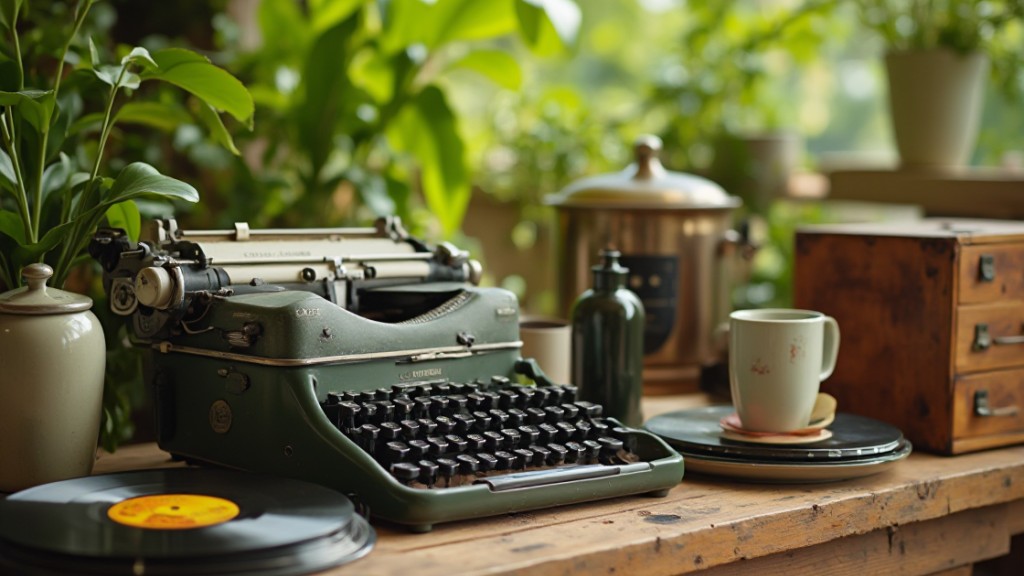
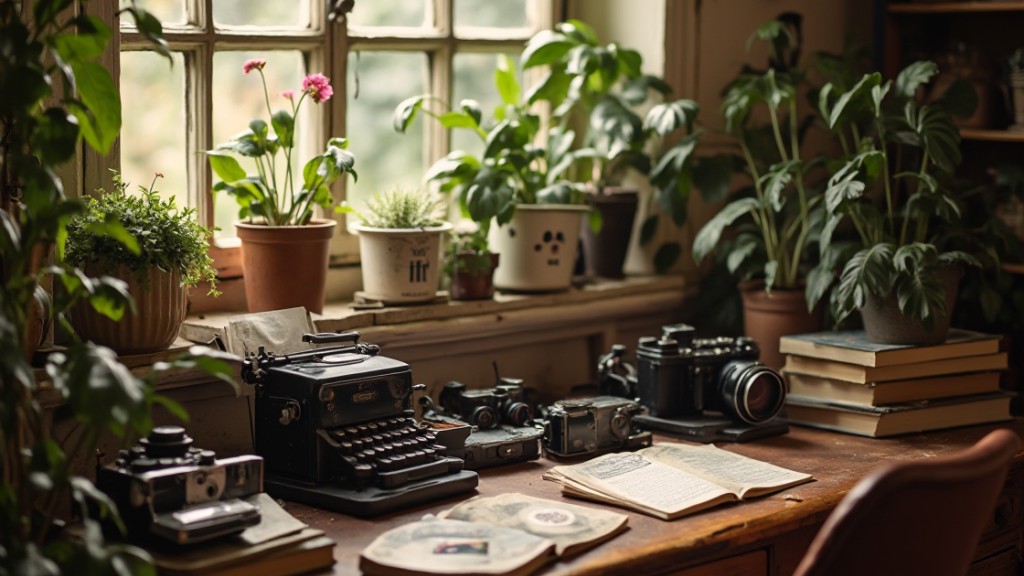
Vintage technology often captivates customers due to its unique design and functionality. Products such as classic typewriters, rotary phones, and early computers possess a sense of nostalgia that modern tech lacks. By incorporating vintage tech into your product offerings, you can attract customers seeking distinct items that tell a story. Small businesses can capitalize on this trend by sourcing and restoring vintage technology, which not only reduces waste but also adds value in terms of craftsmanship and uniqueness.
Classic Clothing
Classic clothing remains popular for its timeless style and sustainability. Items like vintage denim jackets, retro dresses, and tailored suits represent enduring fashion ideals that resonate with today’s consumers. By curating collections of classic clothing, your small business can appeal to shoppers who prefer unique, sustainable choices. Emphasizing the quality and craftsmanship of vintage garments helps reinforce their value, setting your offerings apart in a crowded marketplace.
Challenges of Old Products
Dealing with old products presents several challenges for your small business. Addressing these can help you make informed decisions about inventory and operations.
Maintenance and Repair
Old products often demand more frequent and extensive maintenance due to wear and tear. Increased maintenance costs can significantly impact your budget. As equipment ages, repairs become more complex, leading to higher expenses and extended repair times. Frequent breakdowns result in substantial downtime, which affects your productivity and efficiency. Downtime can lead to lost labor hours and unmet production schedules, hampering your business’s overall performance. Aging equipment may also pose safety risks. If your old machinery malfunctions, it could jeopardize worker safety. Even with regular servicing, outdated equipment might not comply with current safety standards, pushing you toward a more immediate need for replacements.
Availability of Parts
Old products often encounter difficulties in sourcing parts. Manufacturers may discontinue production of specific components, making it challenging to find replacements. Limited availability of parts can prolong repair processes and increase operational costs. For technology-based equipment, this scarcity can be particularly detrimental. The absence of necessary components may force you to invest in more modern alternatives, shifting your focus away from the vintage appeal that attracts many customers. Maintaining older products thus presents a balancing act between keeping costs manageable and preserving the unique charm that customers appreciate.
Conclusion
Embracing old products offers a unique opportunity to connect with history while making sustainable choices. Their charm and craftsmanship not only evoke nostalgia but also resonate with modern consumers seeking authenticity and individuality.
For small businesses, curating vintage items can create a distinctive brand identity and attract eco-conscious customers. While challenges like maintenance and sourcing parts exist, the rewards of engaging with these timeless treasures often outweigh the difficulties.
By incorporating old products into your offerings, you can tap into a growing market that values sustainability and craftsmanship, all while celebrating the rich stories these items carry.
Frequently Asked Questions
What makes vintage products appealing in today’s world?
Vintage products appeal due to their unique charm, nostalgia, and craftsmanship that often surpasses modern alternatives. They evoke memories and tell stories, making them sought-after collectibles that resonate with consumers looking for more than just functionality.
How do vintage products contribute to sustainability?
Vintage products promote sustainability by encouraging upcycling and recycling. By choosing old items, businesses can reduce waste and conserve natural resources, attracting eco-conscious customers and supporting a more sustainable marketplace.
What types of vintage products are popular today?
Popular vintage products include classic vinyl records, retro kitchen appliances, vintage technology like typewriters, and timeless clothing. These items are valued for their aesthetics, functionality, and ability to reflect cultural shifts.
What challenges do small businesses face when selling vintage products?
Small businesses encounter challenges such as maintenance and repair costs, sourcing parts for aging equipment, and the need to balance costs while preserving vintage appeal. These factors can impact productivity and customer satisfaction.
How can businesses leverage vintage products for competitive advantage?
Businesses can leverage vintage products by curating unique collections that attract consumers seeking sustainable, distinct options. This can create unique selling propositions, enhance brand image, and cater to the growing demand for eco-friendly shopping.
Image via Google Gemini