
Key Takeaways

- Definition and Role: UX design is essential for enhancing user satisfaction by improving usability, accessibility, and overall interaction with digital products.
- Core Components: Key elements of UX design include user research, information architecture, and interaction design, all of which contribute to an effective user experience.
- Impact on Business: Effective UX design positively influences user engagement, leading to increased loyalty, higher conversion rates, and overall business success.
- Importance of Prototyping and Testing: Prototyping and usability testing are crucial steps in the UX design process that help validate designs and ensure they meet user needs before final implementation.
- Tools for Success: Various tools like wireframing, prototyping, usability testing, and analytics tools enhance the UX design process, making it easier to create user-centered digital experiences.
- Long-term Benefits: Prioritizing UX design not only improves immediate user interactions but also builds long-term trust and credibility for businesses in a competitive landscape.
In today’s digital landscape, user experience (UX) design plays a crucial role in how you interact with products and services. It’s not just about making things look pretty; it’s about creating an intuitive and enjoyable experience that meets your needs. Whether you’re browsing a website or using an app, UX design shapes your journey and influences your satisfaction.
Understanding UX design can empower you to appreciate the thought and strategy behind your favorite digital experiences. From research and prototyping to usability testing, every step in the UX design process aims to enhance your interaction. Dive into the essentials of UX design and discover how it impacts your daily life and the products you use.
What Is UX Design?
UX design focuses on enhancing user satisfaction by improving the usability, accessibility, and pleasure of interaction with products, particularly in tech-driven environments. For small businesses, effective UX design ensures that websites and apps resonate with your target audience.
Understanding UX design involves recognizing its core components: research, prototyping, and usability testing. Research helps identify user needs and pain points, ensuring designs address real problems. Prototyping allows you to create a tangible version of your ideas that can be tested with real users, revealing valuable insights. Usability testing provides feedback on the design’s effectiveness, ensuring users can navigate and interact with your digital offerings smoothly.
Implementing solid UX design not only increases user engagement but also fosters loyalty and trust in your small business. As technology evolves, prioritizing UX design leads to a more intuitive customer journey, making your digital presence a key factor in driving business success.
Importance Of UX Design

UX design plays a vital role in shaping how users interact with your products and services. It focuses on creating experiences that are not only functional but also enjoyable, leading to increased satisfaction and loyalty.
User Satisfaction
User satisfaction hinges on the simplicity and effectiveness of your digital interfaces. By prioritizing UX design, you create intuitive interactions that cater to user needs. A well-designed user experience reduces frustration and encourages users to return to your website or app. For small businesses, this connection is essential, as engaged users often become loyal customers, positively impacting your brand’s reputation.
Business Success
Effective UX design directly influences your business’s bottom line. Happy users lead to higher engagement and increased sales. In a competitive tech landscape, prioritizing UX design helps your small business stand out. The investment in usability testing and continuous optimization translates to reduced bounce rates and improved conversion rates. As your digital presence becomes easier and more enjoyable to navigate, your small business builds trust and credibility, paving the way for long-term success.
Components Of UX Design
Understanding the components of UX design can significantly elevate your small business’s digital presence. Here are three critical aspects that shape effective user experiences.
User Research
User research forms the cornerstone of UX design by investigating your target audience’s needs and behaviors. This research utilizes both qualitative methods, like interviews, and quantitative methods, such as surveys, to gather insights. The goal is to identify users’ pain points and preferences, allowing you to tailor your digital products effectively. By understanding your users, you can create solutions that resonate, leading to higher satisfaction and loyalty among your customers.
Information Architecture
Information architecture involves organizing and structuring content in a way that enhances usability. This component focuses on how information is grouped, labeled, and presented, making it easier for users to navigate your website or application. A well-structured information architecture ensures users find the information they need quickly and efficiently. For small businesses, this means a streamlined journey that minimizes frustration and maximizes engagement, helping to convert browsers into buyers.
Interaction Design
Interaction design concentrates on creating engaging interfaces that facilitate meaningful user interactions. This component considers how users interact with your digital products through visual elements, buttons, and other functionality. Effective interaction design enhances the overall user experience by ensuring that actions are intuitive and satisfying. Implementing strong interaction design principles can lead to increased user retention and improved perceptions of your brand in the competitive tech landscape.
UX Design Process

The UX design process is pivotal for creating user-friendly digital experiences. This structured approach helps you meet user needs effectively, driving engagement for your small business.
Prototyping
Prototyping allows you to create tangible representations of your design concepts. Use wireframes and mockups to visualize the user interface and user flows. Through these prototypes, you can test ideas without fully developing the final product. Iterating on these drafts enables you to refine functionality based on intuitive user interactions. Tools like Figma and Adobe XD help streamline your prototyping process, making it easy to envision how users will navigate your app or website. Effective prototyping reduces risks associated with design decisions by revealing potential issues early in the development process.
Testing
Testing is essential for validating the usability of your design. Conduct usability tests with real users from your target audience to gather insights about their experiences. Focus on their interactions to identify pain points and areas for improvement. A/B testing can help you compare different design variations to see which performs better. Collecting user feedback enables you to adjust your designs for optimal user satisfaction. For your small business, regular testing ensures that your digital product aligns with user expectations, resulting in a better overall experience and increasing chances for success in a tech-driven market.
Tools Used In UX Design
You can enhance your UX design efforts using various tools that facilitate different stages of the design process. These tools help streamline tasks from research to prototyping and testing.
- Wireframing Tools: Use wireframing tools like Balsamiq or Figma to create low-fidelity mockups. These tools allow you to visualize layout and functionality without getting bogged down by intricate details.
- Prototyping Tools: Leverage prototyping tools such as Sketch or InVision for high-fidelity prototypes that simulate user interactions. These tools enable you to gather feedback early and make necessary adjustments.
- Usability Testing Tools: Employ usability testing platforms like UserTesting or Lookback to conduct tests with real users. These tools provide insights into user behavior and help identify pain points in your design.
- Collaboration Tools: Use collaboration tools like Trello or Miro to facilitate communication and project management among your team. Keeping everyone aligned boosts productivity and efficiency in the design process.
- Analytics Tools: Implement analytics tools like Google Analytics to analyze user behavior on your website or app. These insights inform your design decisions and enhance overall user experience.
Selecting the right combination of these tools can significantly improve your UX design process, ensuring your small business stands out in a competitive tech landscape.
Conclusion
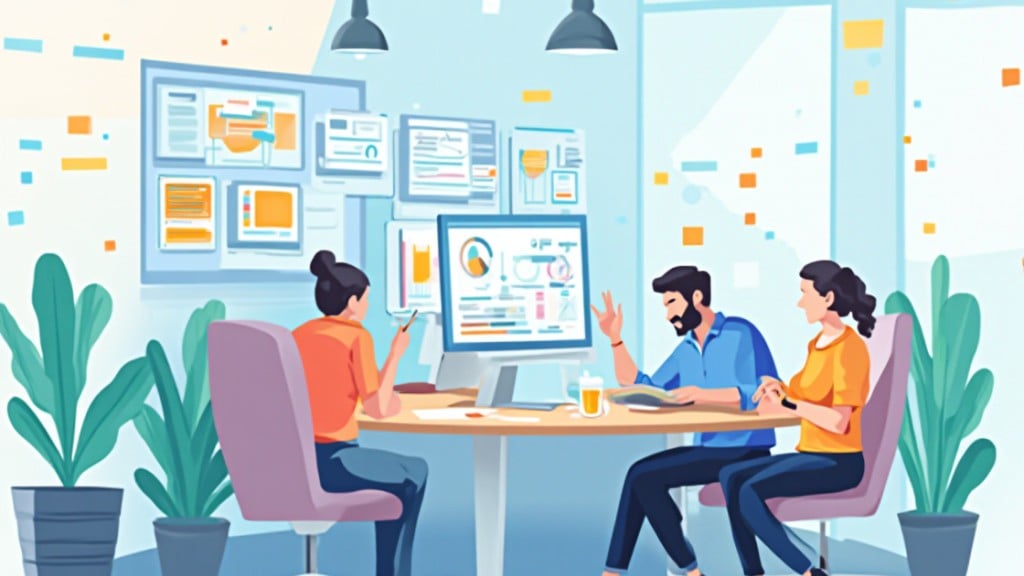
Understanding UX design is essential for creating digital experiences that resonate with users. It’s not just about making things look good; it’s about ensuring functionality and satisfaction. By focusing on user needs through research and testing, you can enhance usability and accessibility, leading to happier users.
Investing in effective UX design can set your small business apart in a crowded market. With the right tools and strategies, you can create engaging interfaces that foster loyalty and drive success. Prioritizing user experience not only improves interactions but also builds trust and credibility, paving the way for long-term growth. Embrace the principles of UX design and watch your digital presence thrive.
Frequently Asked Questions

What is UX design?
UX design, or user experience design, focuses on improving user satisfaction with digital products by enhancing usability, accessibility, and the overall enjoyment of interactions. It goes beyond visual aesthetics, prioritizing how users feel while navigating websites and apps.
Why is UX design important for small businesses?
Effective UX design is crucial for small businesses as it ensures websites and apps resonate with target audiences. A well-designed experience increases user engagement, satisfaction, and loyalty, leading to higher conversion rates and positive brand reputation.
What are the main components of UX design?
The core components of UX design include user research to understand user needs, prototyping to create mockups for testing, and usability testing to gather feedback. Together, they form a structured approach to creating intuitive and enjoyable user experiences.
How does user research impact UX design?
User research is foundational to UX design as it helps identify the needs and behaviors of the target audience. Utilizing qualitative and quantitative methods, designers can create tailored experiences that meet users’ expectations and enhance overall satisfaction.
What role does prototyping play in UX design?
Prototyping allows designers to create tangible representations of their ideas using tools like Figma or Adobe XD. This helps in testing concepts early on, refining designs based on user feedback, and ultimately creating a more user-friendly product.
How can usability testing improve UX design?
Usability testing involves observing real users as they interact with a design, helping identify pain points and gather insights. Tools like UserTesting and Lookback facilitate this process, ensuring that the final product aligns with user needs and enhances satisfaction.
What are some recommended tools for UX design?
Useful tools for UX design include wireframing tools like Balsamiq and Figma for low-fidelity mockups, and prototyping tools such as Sketch and InVision for high-fidelity designs. Usability testing platforms and analytics tools like Google Analytics also enhance the design process.
How does effective UX design influence business success?
Effective UX design leads to happier users, which translates to higher engagement and increased sales. In today’s competitive tech landscape, prioritizing user experience can help small businesses stand out, build trust, and improve long-term customer relationships.
Image via Google Gemini