
Key Takeaways

- Evolution of Franchising: Franchising originated in the Middle Ages and has evolved into a vital business model that enhances brand presence and operational efficiency for entrepreneurs.
- Key Milestones: Significant figures like Benjamin Franklin and Isaac Singer played crucial roles in shaping early franchising agreements, paving the way for modern franchise operations.
- 20th Century Growth: Post-World War II saw a franchise boom with the rise of fast-food chains, exemplifying how franchising offers a structured pathway for small business expansion.
- Impact of Technology: Modern franchising leverages technology for operational efficiency, with AI and automation improving management and customer engagement.
- Challenges and Trends: Economic factors, such as consumer spending and real estate prices, influence franchising, while trends like sustainability and personalization are reshaping the industry.
- Diverse Opportunities: Today, franchising spans various sectors, with over 4,000 brands in the U.S., demonstrating its widespread appeal and adaptability for aspiring business owners.
Franchising has transformed the way businesses operate, creating a powerful model for expansion and brand loyalty. From humble beginnings, this innovative approach has evolved into a global phenomenon, allowing entrepreneurs to tap into established brands and proven systems. Understanding the history of franchising not only highlights its impact on the economy but also reveals the entrepreneurial spirit that drives it.
As you delve into the fascinating journey of franchises, you’ll discover how they emerged from traditional business practices to become a staple in various industries. This exploration uncovers key milestones and influential figures who shaped the franchise landscape, paving the way for the opportunities you see today. Whether you’re considering starting your own franchise or just curious about its evolution, this history will provide valuable insights into a model that continues to thrive.
Overview Of Franchise History
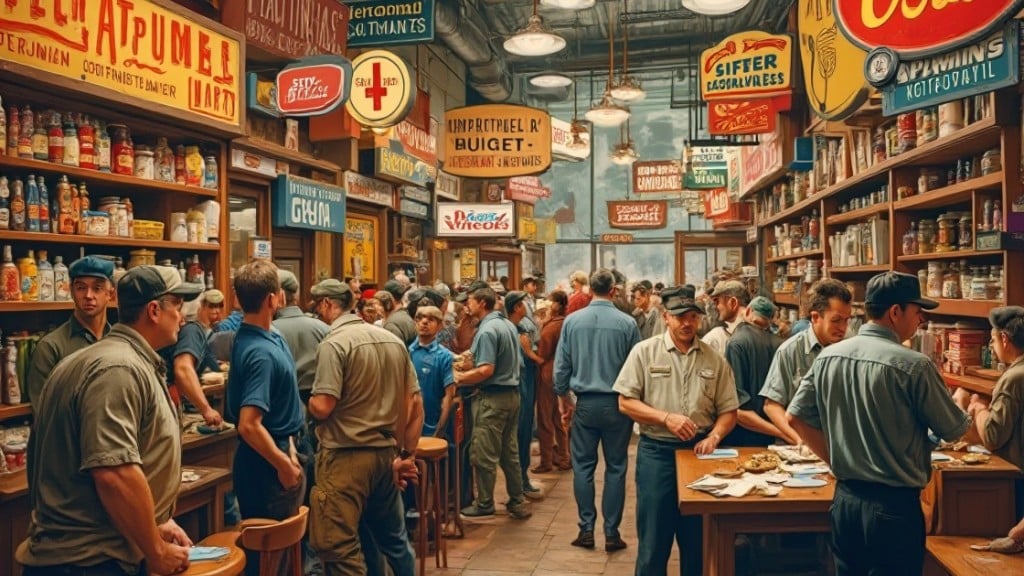
Franchising originated in the Middle Ages, linking local merchants with larger enterprises to sell products. The modern franchise model began in the 1850s with companies like Singer Sewing Machine, expanding through granting rights to independent operators. This shift laid the groundwork for franchising as a small business strategy.
In the early 20th century, automobile manufacturers, such as Ford and General Motors, employed franchising to establish dealerships across the United States. Post-World War II, the fast-food industry fueled the franchise boom, with brands like McDonald’s and KFC leading the way. Business owners recognized franchising as a path for scalability while maintaining brand consistency.
Today, franchising encompasses various industries, including retail, hospitality, and service sectors. The International Franchise Association reports over 4,000 franchise brands in the U.S., demonstrating the model’s widespread appeal for small business owners. As you explore the franchise landscape, understanding its rich history offers valuable insights into its proven success and adaptability.Early Beginnings Of Franchising

Franchising’s history reveals its evolution into a vital component of modern small business strategies. Understanding these origins helps you appreciate its current significance in the business landscape.
The Origins of the Concept
Franchising traces back to the Middle Ages, where local landowners granted rights to peasants or serfs. These rights allowed individuals to engage in business activities like hunting, holding markets, or operating ferries. This arrangement established frameworks for agreements that resemble contemporary franchise relationships, rooted in European Common Law.
Key Examples From History
- Benjamin Franklin: In 1731, Franklin created one of the earliest known franchise-like agreements in America. He partnered with Thomas Whitmarsh to print his works, including Poor Richard’s Almanac, requiring Whitmarsh to source printing materials exclusively from Franklin. This co-partnership model provided a foundation for future franchise operations.
- Isaac M. Singer: In the 1850s, Singer developed a franchise contract to distribute his sewing machines. This innovation marked a significant development in franchising, showcasing its potential for small businesses aspiring to expand their reach and brand presence.
Each example demonstrates how franchising evolved from early partnerships into a structured business model, paving the way for modern small business owners to leverage this strategy.
Growth And Evolution

Franchising transformed into a significant business model during the Industrial Revolution and continued to evolve throughout the 20th century, shaping opportunities for small business owners.
Expansion During The Industrial Revolution
The Industrial Revolution marked a crucial period for franchising, with notable advancements in manufacturing and commercial practices. Companies adapted franchising models to expand their reach and increase distribution efficiency. A prime example is Isaac Singer’s sewing machine franchise, which established a network of trained sellers. This franchise model helped create local businesses that contributed to the economy, allowing small business owners to thrive in specific regions.
The Role Of Franchising In The 20th Century
The 20th century saw franchising flourish, positioning itself as a vital strategy for small businesses. Automobile manufacturers like Ford and General Motors utilized franchising to develop extensive dealership networks, enhancing their market presence. Post-World War II, fast-food giants such as McDonald’s and KFC adopted franchising, revolutionizing the restaurant industry. This expansion offered aspiring small business owners an opportunity to leverage established brand recognition, providing a proven framework for success in their ventures. Today, the franchising model remains a powerful tool for small businesses, with over 4,000 franchise brands operating in the U.S.
Modern Era Of Franchising

Franchising has transformed significantly in the modern era, largely driven by technology and innovation. These shifts enhance operational capabilities and provide small business owners with robust opportunities for success.
Technology’s Impact On Franchise Models
Technology has dramatically impacted franchise models in key ways.
- Operational Efficiency: Advanced tools streamline management tasks, making semi-absentee ownership more viable. You can optimize service routes and reduce labor costs effectively.
- Automation and AI: Franchisors increasingly utilize artificial intelligence (AI) and machine learning (ML) to manage operations. These technologies enhance consistency in service and minimize errors, allowing you to focus on growing your business. AI provides insights that improve communication with franchisees and offers valuable data on consumer behavior.
Notable Franchise Success Stories
Franchising success stories highlight effective strategies.
- McDonald’s: The fast-food giant set a benchmark with its efficient franchise system. Following a consistent model helps small business owners replicate success while maintaining quality.
- 7-Eleven: As a convenience store leader, 7-Eleven showcases the potential of franchising across diverse markets. Its global presence spreads opportunities for aspiring owners around the world.
- Subway: This sandwich franchise emphasizes fresh ingredients and customer choices, attracting a loyal customer base. The adaptability of this model encourages innovation among franchise owners.
These examples illustrate that, through advanced technology and structured franchise systems, small business owners can thrive in the current market landscape.
Challenges And Trends In Franchise History

Franchising faces various challenges and trends influencing its evolution. Understanding these factors is crucial for small business owners considering this model.
Economic Factors Affecting Franchising
Economic conditions markedly impact franchising. During recessions, consumer spending decreases, affecting franchise sales and operations. In contrast, a strong economy often leads to increased franchise investments as small business owners seek stable opportunities. Additionally, fluctuations in real estate prices can impact franchise locations, making affordability a critical concern for franchisees.
Franchise systems must adapt to changes such as inflation or shifts in labor costs. For instance, rising minimum wages can pressure profit margins, pushing franchise owners to reconsider their staffing strategies and pricing models. Staying informed about these economic factors helps you navigate challenges effectively while leveraging the benefits of the franchise model.
Emerging Trends In The Franchise Landscape
Emerging trends shape franchising’s future, aligning with the needs of modern consumers and small business owners. One significant trend is the rise of technology integration. Franchise systems increasingly leverage digital tools for operations, marketing, and customer engagement. Implementing advanced point-of-sale systems and online ordering platforms can enhance customer experiences and efficiency for franchises.
Sustainability also plays a growing role in franchising. Consumers demand eco-friendly practices, prompting franchise brands to adopt sustainable operations. This trend attracts environmentally conscious customers and positions your franchise as a responsible choice in the marketplace.
Personalization stands as another emerging trend. Customers seek tailored experiences, influencing franchises to offer customized products and services. Adapting to these consumer preferences enables franchises to maintain relevance and competitiveness.
By understanding these economic factors and emerging trends, you can successfully navigate challenges and optimize your franchise strategy for long-term success.
Conclusion

Franchising has come a long way from its early roots in medieval partnerships to a dynamic business model shaping today’s economy. As you explore this landscape, you’ll see how it offers a structured path for aspiring entrepreneurs while adapting to modern challenges and opportunities.
With technology driving innovation and consumer trends evolving, franchising remains a viable option for those looking to build a successful business. By understanding its history and current trends, you can better navigate the franchise world and make informed decisions that align with your goals. Embrace the journey and leverage the power of franchising to achieve your business aspirations.
Frequently Asked Questions

What is franchising?
Franchising is a business model where a franchisee gains the rights to operate a business under the brand and system of an established franchisor. It allows individuals to leverage a proven framework for success while maintaining brand consistency.
How did franchising begin?
Franchising has its roots in the Middle Ages when local landowners granted business rights to peasants. This informal partnership evolved into structured agreements, culminating in modern franchise systems starting from the 1850s, exemplified by Isaac Singer and his sewing machines.
What industries utilize franchising today?
Franchising spans various industries, including fast food, retail, hospitality, and health services. With over 4,000 franchise brands in the U.S., it supports small business owners across different sectors, fostering brand loyalty and economic growth.
What are some key milestones in franchising history?
Key milestones include Isaac Singer’s sewing machine franchise in the 1850s, the rise of automobile manufacturers adopting franchising in the early 20th century, and the fast-food boom of the post-World War II era led by brands like McDonald’s and KFC.
How has technology impacted franchising?
Technology has revolutionized franchising by improving operational efficiency through automation and AI. It enhances service consistency, minimizes errors, and enables franchise owners to leverage advanced tools for better management and customer experiences.
What challenges do franchise owners face today?
Franchise owners encounter various challenges, including economic fluctuations, rising minimum wages, and the need for adaptability in staffing and pricing strategies. Additionally, they must stay ahead of trends like technology integration and sustainability to remain competitive.
Why is franchising significant for small businesses?
Franchising provides small business owners with a proven model for success, a recognizable brand, and operational support. It enables them to expand their reach and improve their market presence without starting from scratch, which fosters economic growth.
Image via Google Gemini