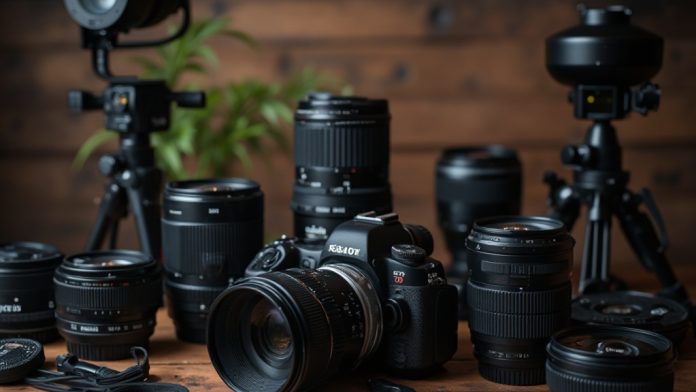
If you’re looking to understand what makes top product photographers stand out, you’ll find that several key qualities contribute to their success. Proven expertise, high-quality equipment, and an impressive portfolio are just the beginning. Efficient time management, skillful photo editing, problem-solving abilities, and strong communication skills as well play vital roles. Each quality improves their ability to deliver mesmerizing images that resonate with clients. Let’s explore these fundamental qualities in detail to see how they raise the craft of product photography.
Key Takeaways
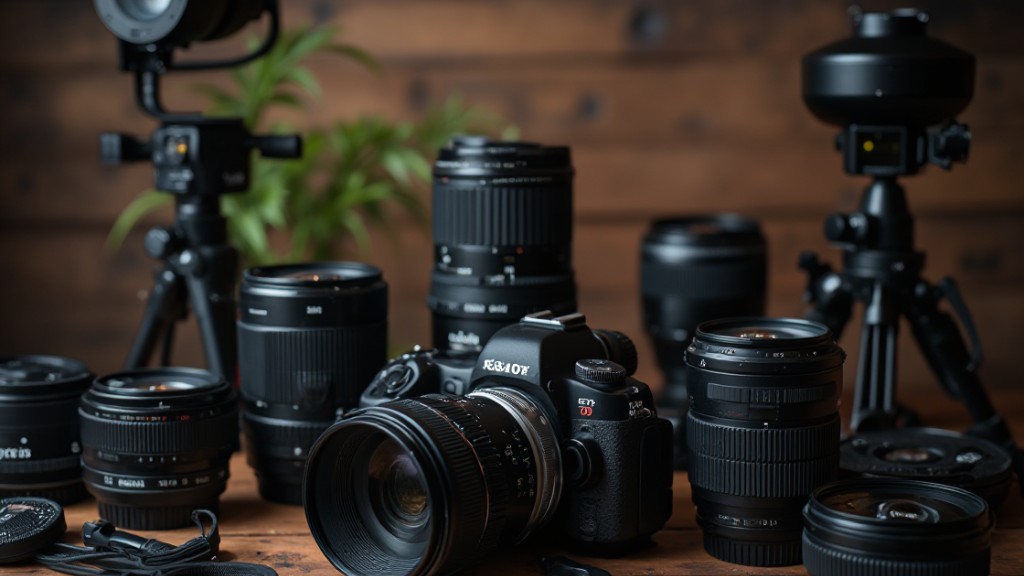
- Proven expertise with a diverse portfolio showcases a photographer’s ability to effectively capture product value and appeal.
- High-quality equipment, including professional cameras and lighting, ensures detailed and visually appealing images.
- Efficient time management and quick turnaround capabilities allow photographers to handle multiple projects while meeting client deadlines.
- Skillful photo editing enhances image quality, maintains consistency, and elevates perceived product value through professional post-processing techniques.
- Strong communication skills foster transparency, trust, and collaboration, ensuring projects align with client visions and enhancing overall satisfaction.
Product Photography Proven Expertise
Regarding product photography, proven expertise is vital for capturing images that truly represent a product’s value and appeal. When you seek the best product photographers, look for those with years of practical experience. Their backgrounds in various product categories improve their ability to understand market demands, allowing them to create images that resonate with target audiences.
Experienced product photographers possess a sharp eye for detail, ensuring each image highlights unique features and qualities of the products. They know industry standards and trends, which helps them create visually appealing images that align with current consumer preferences.
In San Diego, product photography professionals excel in delivering high-quality images that not only improve aesthetic quality but additionally influence consumer perceptions and purchasing decisions.
In the end, proven expertise in product photography impacts a brand’s success, making it vital to choose photographers who can effectively showcase your products.
High-Quality Equipment
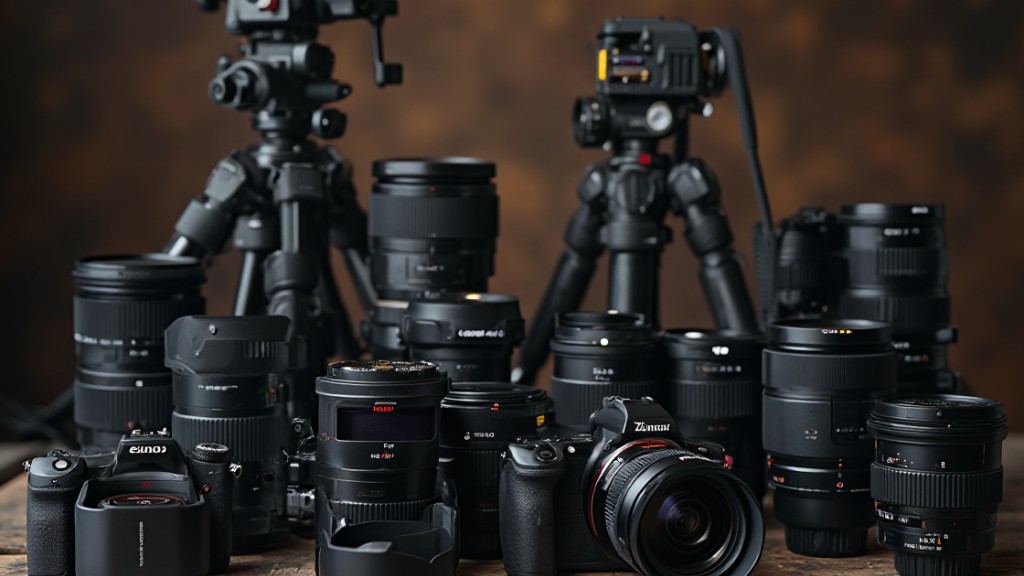
High-quality equipment forms the backbone of effective product photography, enabling you to capture images that accurately reflect a product’s features and appeal. To achieve this, invest in high-quality cameras, like DSLRs or mirrorless systems, which capture detailed and sharp images.
Superior lenses, such as prime lenses, improve image clarity and create a shallow depth of field, making your products pop against their backgrounds.
Professional studio lighting, including softboxes and reflectors, is important for even illumination, minimizing harsh shadows that can distract from the product.
Furthermore, a sturdy tripod guarantees stability during shooting, which is crucial for maintaining sharp images, especially in low-light conditions or with slower shutter speeds.
Don’t overlook quality accessories like filters; they can reduce glare and reflections, particularly when photographing shiny or transparent items.
In the end, using high-quality equipment is fundamental for delivering stunning product photographs that attract potential buyers.
Impressive Portfolio
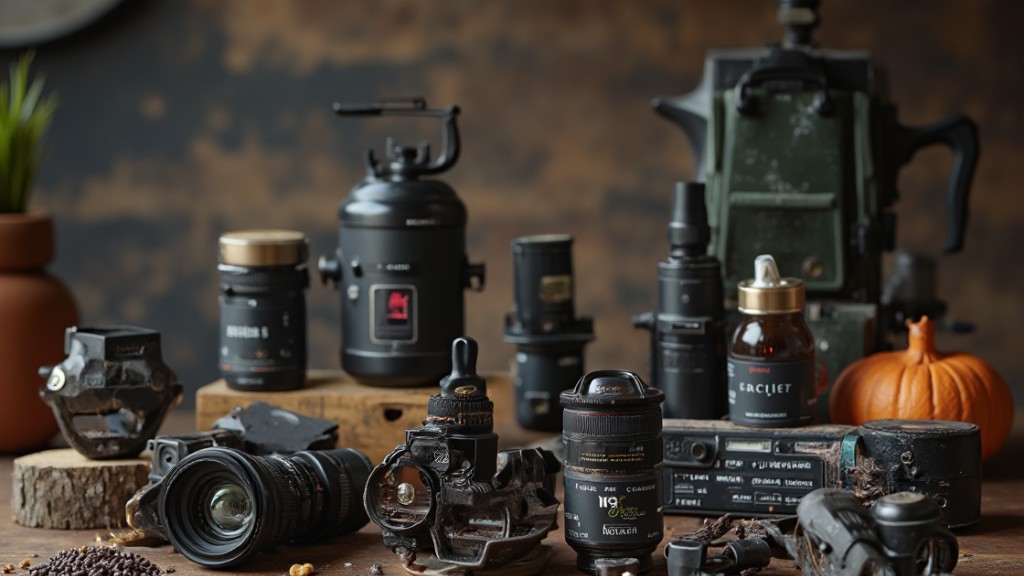
Though high-quality equipment lays the foundation for capturing stunning product images, an impressive portfolio serves as your calling card in the competitive world of photography. It showcases your range and depth, allowing potential clients to assess your versatility across various product categories. The quality of your work reflects your expertise, demonstrating your ability to deliver polished and professional images that meet high standards.
A well-curated portfolio should include diverse examples that align with brand visions, effectively capturing the essence of different products. Including before-and-after images can highlight your post-processing skills, showcasing your ability to improve images whilst maintaining product integrity.
Additionally, a consistent style and theme signal to clients your unique artistic approach, helping to establish your brand identity and attract specific target audiences. An impressive portfolio not only displays your skills but serves as an essential tool for securing new clients and opportunities in the industry.
Efficient Time Management and Quick Turnaround
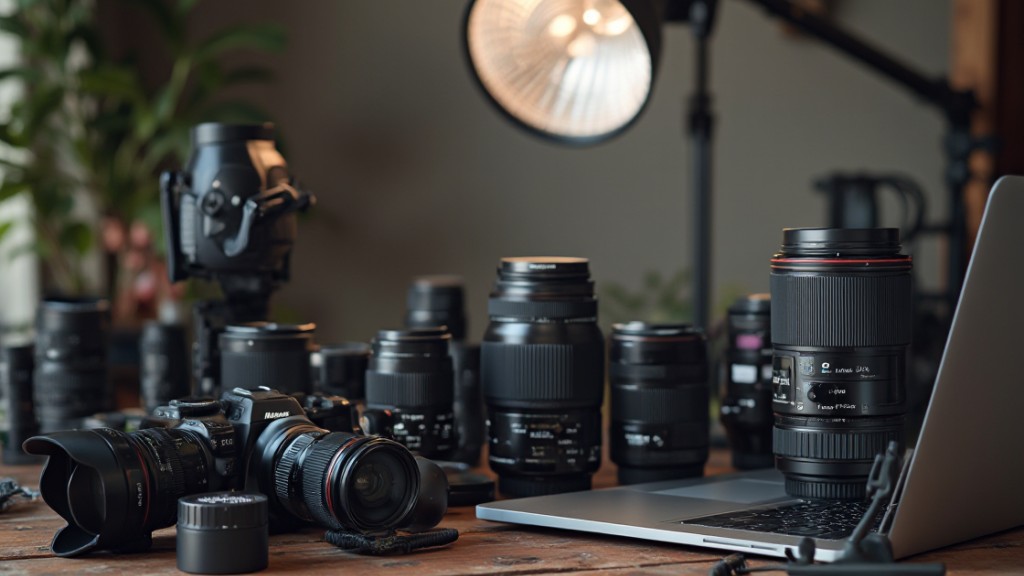
Effective time management in product photography is crucial for ensuring that your projects stay on track and meet deadlines. A well-structured workflow allows you to streamline both the shooting and editing processes, leading to quicker turnaround times without sacrificing image quality.
By setting clear timelines and milestones for each phase of your project, you can identify potential delays early, making necessary adjustments to keep everything on schedule.
Regular communication with clients about progress and timelines encourages transparency and builds trust, which is critical for managing expectations and enhancing client satisfaction.
To further improve efficiency, consider utilizing batch processing techniques during editing. This can greatly reduce the time spent on post-production tasks, enabling you to handle multiple projects simultaneously.
Skillful Photo Editing

Once you’ve managed your time effectively and captured great product shots, the next step is skillful photo editing. This process is fundamental for refining your images, allowing you to correct color balance, exposure, and blemishes, resulting in a polished final presentation.
Achieving proficiency in software like Adobe Photoshop and Lightroom is significant, as it lets you perform advanced techniques such as retouching, layering, and batch processing, which can streamline your workflow.
Consistency in your editing style is essential for maintaining a cohesive brand identity across multiple product images, enhancing their overall visual impact on e-commerce platforms. High-quality editing not just raises the perceived value of products but also attracts consumer interest and builds trust in your brand.
Furthermore, comprehending file formats and resolutions guarantees your images are optimized for both online presentation and print, maximizing their effectiveness across various marketing channels.
Problem-Solving Abilities
Having strong problem-solving abilities is vital for product photographers, as it allows you to navigate the inevitable challenges that arise during a shoot. Technical glitches or equipment failures can occur, and your ability to quickly address these issues guarantees minimal disruption to your workflow.
Effective troubleshooting skills enable you to adapt your shooting techniques in real-time, accommodating unexpected challenges like difficult lighting conditions or uncooperative products.
Furthermore, when faced with issues such as reflections or transparency in product features, your creativity in employing alternative lighting setups or styling techniques can make a significant difference.
The capacity to think critically and develop innovative solutions not only improves the quality of your final images but also helps you achieve desired aesthetics even under constraints.
Strong problem-solving skills are fundamental for maintaining momentum during shoots, allowing you to capture high-quality images without delays or interruptions.
Strong Communication Skills
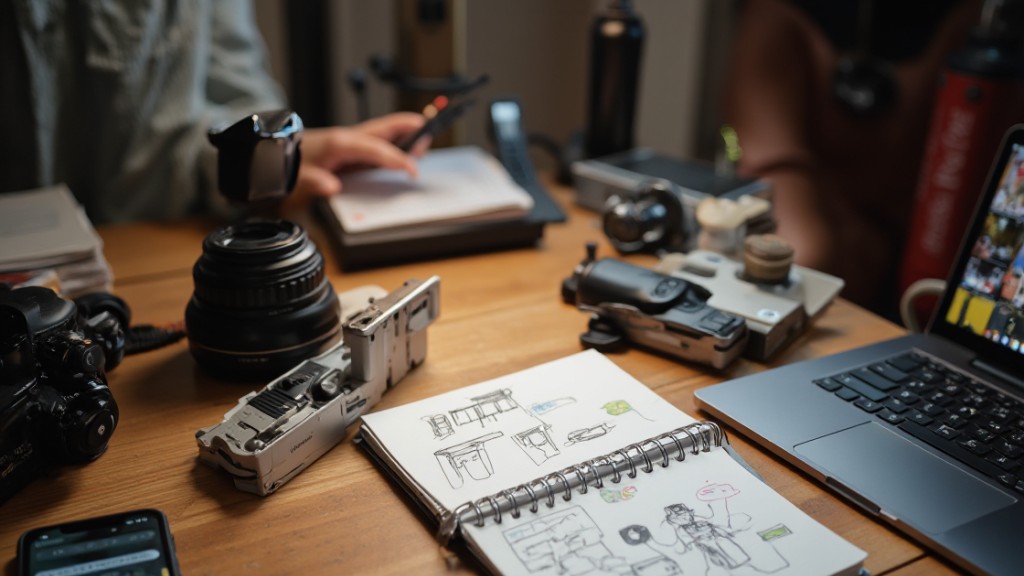
Strong communication skills are crucial for product photographers, as they guarantee you fully grasp your client’s needs and expectations.
By exchanging ideas and providing clear project updates, you create a collaborative environment that improves the final product.
Furthermore, active listening allows you to ask the right questions, nurturing a productive working relationship that builds trust and leads to successful outcomes.
Collaborative Idea Exchange
Effective communication is crucial for product photographers, as it allows them to accurately grasp and refine client needs, ensuring that the final images align with the client’s vision.
Engaging in a collaborative idea exchange creates a dynamic environment where both you and the client can share insights. This exchange not only nurtures creativity but likewise leads to more innovative and impactful imagery.
By inviting client input during the shoot, you improve their sense of involvement, making them feel valued in the decision-making process.
Furthermore, maintaining clear dialogue helps address challenges swiftly, allowing for quick problem-solving and adaptability.
In the end, this collaborative approach promotes a smoother workflow, aligning timelines and deliverables as well as improving the overall photography experience.
Clear Project Updates
In a collaborative environment, maintaining clear project updates serves as a backbone for strong communication skills. Regular updates keep clients informed about progress, timelines, and any potential challenges during the photography process.
By sharing updates, you manage client expectations effectively, nurturing trust and transparency crucial for a positive working relationship. Clear communication likewise allows you to clarify project details and requirements, minimizing misunderstandings and ensuring the final outcome aligns with the client’s vision.
Addressing client queries swiftly and providing updates showcases your professionalism and reliability, boosting client satisfaction and encouraging repeat business.
Utilizing various communication methods, such as emails, phone calls, or project management tools, streamlines updates and keeps everyone on the same page throughout the project.
Active Listening Skills
Active listening skills are crucial for product photographers, as they enable you to accurately grasp client needs, preferences, and expectations. By honing these skills, you can greatly improve your communication and project outcomes.
Here are some key benefits of active listening:
- Clarifies project details through targeted questions.
- Builds a collaborative relationship with clients.
- Guarantees clients feel heard and valued.
- Identifies potential challenges before they escalate.
- Captures nuanced feedback to improve your work quality.
With active listening, you not just align with the client’s vision but additionally cultivate an environment where open dialogue thrives.
This approach leads to smoother project execution, improved client satisfaction, and in the end, repeat business and referrals. Embrace active listening to boost your photography practice.
Frequently Asked Questions
What Are the 7 C’s of Photography?
The 7 C’s of photography are Composition, Color, Clarity, Contrast, Context, Creativity, and Consistency.
Composition arranges elements for visual appeal, whereas Color influences mood.
Clarity emphasizes detail, and Contrast improves light and dark areas for depth.
Context provides environmental meaning, and Creativity allows for unique perspectives.
Finally, Consistency guarantees a cohesive style across your images, aligning with your overall brand identity and boosting visual impact, making your work more recognizable and effective.
What Are the 5 C’s of Photography?
The 5 C’s of photography are crucial for capturing quality images.
First, you need to understand your Camera and its settings.
Next, focus on Composition, arranging elements to create balance.
The Content should resonate with your audience, ensuring it aligns with your message.
Pay attention to Color, as it can evoke emotions and set the mood.
Finally, embrace Creativity to bring unique perspectives to your work, making your photography stand out.
What Is the 20 60 20 Rule in Photography?
The 20 60 20 rule in photography suggests that 20% of your work will be exceptional, 60% will be good, and 20% will fall below average.
This framework helps you understand that even skilled photographers produce varying results. By analyzing your best images, you can identify what makes them successful, allowing you to refine your skills.
This approach sets realistic expectations for your output and encourages continual improvement in your photography practice.
What Makes Good Product Photography?
Good product photography combines several key elements. You need to understand lighting techniques, like three-point lighting, to create depth.
Effective composition, such as employing the Rule of Thirds and negative space, captures attention. Paying attention to detail guarantees colors and textures are accurately represented, building consumer trust.
Post-processing skills refine images for consistency and brand alignment. Ultimately, using high-quality equipment, including cameras and lenses, improves sharpness and professionalism in your final images.
Conclusion
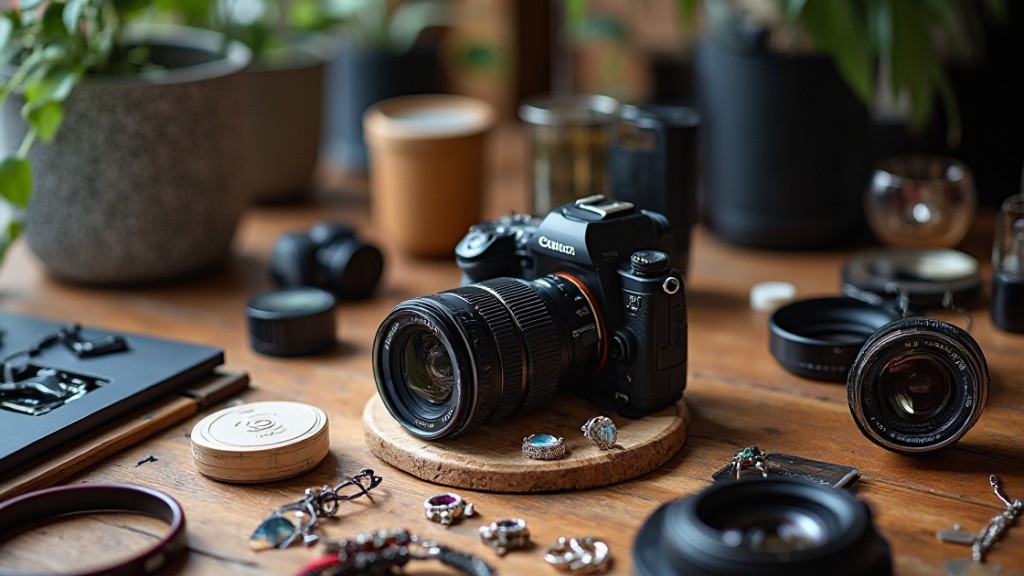
In summary, to succeed in product photography, you need a combination of proven expertise, high-quality equipment, and an impressive portfolio. Efficient time management guarantees you meet deadlines, as well as skillful photo editing improves your images. Problem-solving abilities help you navigate challenges, and strong communication skills nurture effective client relationships. By mastering these crucial qualities, you can create engaging product imagery that effectively showcases value and appeal, setting yourself apart in a competitive industry.
Image via Google Gemini