
Taking inventory is a vital task that guarantees your stock levels are accurate and manageable. To do this effectively, you’ll need to follow seven fundamental steps. Start by forming an inventory committee and outlining your goals. Then, prepare your warehouse and resources for a smooth process. It’s additionally important to leverage technology and equipment to streamline counting. But this is just the beginning; the real challenge lies in executing and auditing the inventory accurately.
Key Takeaways

- Establish an inventory committee to coordinate the process and prepare detailed instructions for all participants.
- Organize and mark goods in storerooms, zoning warehouses for efficient counting and easy identification.
- Ensure technology, such as barcode scanners, is functional and train employees on proper usage before the inventory begins.
- Execute the inventory by documenting the process, auditing results against records, and addressing any discrepancies systematically.
- Archive all documentation for compliance checks and future reference, ensuring a smooth and efficient inventory process.
Formal Resolutions and Decisions

When planning an inventory, it’s essential to issue an ordinance that clearly defines the date, location, and scope of the inventory, guaranteeing all stakeholders are informed and aligned with the process.
To facilitate an effective annual inventory, consider establishing an inventory committee comprised of responsible employees. This committee will coordinate and supervise the entire inventory process, promoting accountability.
Significantly, to maintain objectivity, materially responsible individuals shouldn’t participate in the inventory, minimizing potential conflicts of interest.
Prepare detailed inventory instructions that outline the necessary steps, procedures, and individual responsibilities to streamline counting. Additionally, include guidelines for addressing discrepancies that may arise during the inventory process.
These guidelines will help assure accurate reporting and resolution of any issues encountered, ultimately leading to a more efficient and reliable inventory outcome.
Preparation of Warehouses and Resources

Preparing your warehouses and resources is crucial for an efficient inventory process. Start by organizing and properly marking goods in your storerooms, making certain every item is easily identifiable.
Zone your warehouse into separate areas for counting, clearly marking counted sections to avoid confusion during your year-end inventory count. This helps streamline the process and guarantees accuracy.
Next, secure all warehouse data and update your ERP system for a reliable comparison against physical counts. Confirm that inventory items are accessible to prevent delays and counting errors.
Conduct a thorough pre-inventory check to verify all resources, including staffing and any necessary tools, are in order and ready. This preparation will set the stage for a smooth and effective inventory count.
Technology and Equipment
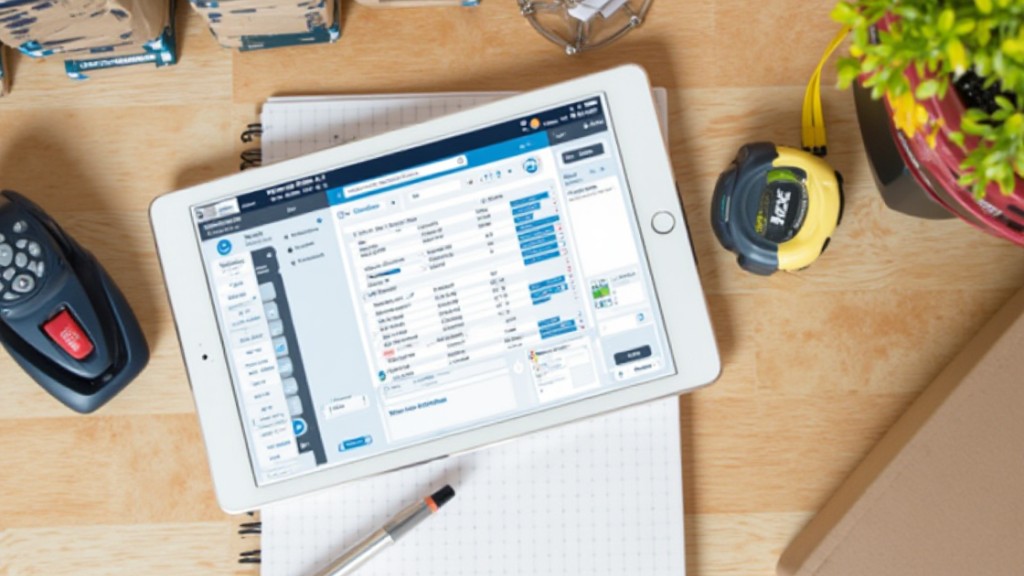
When you’re preparing for inventory, having the right technology and equipment is vital.
Make sure you’ve got enough barcode scanners that work with your ERP systems and test all devices thoroughly before starting.
Furthermore, it’s important to train your employees on how to use these tools effectively, ensuring everyone understands the procedures to minimize disruptions during the counting process.
Barcode Scanner Preparation
To guarantee an efficient inventory process, it’s essential to prepare your barcode scanners adequately. First, verify you have a sufficient number of barcode scanners that are compatible with your inventory counting software and ERP system. This compatibility facilitates accurate counting during your inventory.
Next, conduct pre-inventory tests on both the scanners and the software to identify any technical issues. This proactive approach minimizes potential disruptions.
Moreover, train all employees involved in the inventory process on the proper use of barcode scanners, promoting efficiency and accuracy.
Maintain a clear inventory of your technology resources, including barcode scanners, for quick access and troubleshooting.
Finally, regularly check and update the software associated with the scanners to guarantee they function correctly throughout the inventory process.
Technology Testing Procedures
Thoroughly testing your technology and equipment is crucial for a smooth inventory process, as it helps identify potential issues before they disrupt counting. Begin by checking all hardware and software components to guarantee everything works seamlessly. Verify that your barcode scanners are compatible with your ERP system for real-time tracking. Don’t forget to confirm that all devices and inventory management software are updated.
| Technology Tool | Testing Procedure |
|---|---|
| Barcode Scanner | Test compatibility with ERP |
| Mobile Devices | Confirm software is updated |
| Inventory Software | Check functionality and access |
Employee Training Essentials
Successful inventory management relies not just on technology but also on the proficiency of your employees in using that technology effectively.
To streamline taking inventory, make certain all staff are trained on inventory management software and equipment like barcode scanners. Conduct hands-on training sessions to familiarize them with the tools, boosting comfort and skill levels.
Provide documented procedures for using these systems, including troubleshooting tips to help employees tackle minor issues independently. Regular refresher training sessions are crucial to keep everyone updated on software changes or new tools.
Incorporate simulation exercises during training to help employees practice the inventory process in a controlled environment, making sure they’re well-prepared for actual inventory counts.
Conducting the Inventory

To conduct the inventory effectively, you need to start by training your committee members and employees on the procedures and technology involved.
This preparation guarantees everyone understands their roles during the counting process, minimizing errors.
Moreover, documenting the inventory with forms like census sheets allows you to track results accurately and maintain organization throughout.
Training Committee Members
Training committee members to conduct the inventory effectively is vital for ensuring accurate and reliable results. Start by providing thorough training on the inventory procedures, which includes counting, recording, and reporting discrepancies.
Make sure they understand the take inventory meaning, as this is significant for their role. Familiarize them with the technology tools, like barcode scanners and ERP systems, to improve data collection accuracy.
Hands-on practice sessions will help them simulate the counting process, ensuring they feel comfortable with the procedures and technology. Emphasize systematic counting and marking areas counted to prevent double counting or omissions.
Finally, train members on how to document and report discrepancies, following the company’s internal procedures for handling these situations properly.
Documenting Inventory Procedures
Documenting inventory procedures is vital for maintaining accurate records of stock levels and identifying any discrepancies during the counting process.
Start by preparing inventory forms, like census sheets and difference reports, to track findings clearly. Implement a systematic approach to counting—designate specific areas in the warehouse and mark them to avoid double counting or omissions.
Make certain everyone involved is trained on the inventory procedures and technology to improve efficiency and accuracy. Monitor the inventory closely, addressing issues immediately to preserve data integrity.
After counting, archive all documentation, including census results and difference reports, for future reference and compliance checks, especially when comparing results with accounting records.
This careful approach encapsulates taking inventory meaning effectively.
Audit the Census and Follow-Up Activities

After completing the inventory census, it’s vital to thoroughly audit the results against your accounting records to spot any discrepancies.
Begin by documenting any differences discovered during this comparison, as this will help you resolve issues and create a clear audit trail. Follow your company‘s internal procedures to explain and justify these discrepancies, confirming each variation is accurately recorded.
It’s important that management reviews and approves the final inventory results, as their endorsement validates the accuracy of your census and allows you to complete the inventory process.
Furthermore, make sure to archive all documentation related to the audit for future reference. This guarantees that all records are easily accessible for audits or compliance checks.
Contingency Plan

Though unforeseen challenges can disrupt the inventory process, having a contingency plan in place guarantees that operations continue smoothly. First, confirm backup technical support is readily available to address potential hardware or system failures during the inventory. This minimizes disruptions and keeps the process on track.
Furthermore, secure manual census tools, like paper forms and calculators, to use as alternatives in case technology fails, allowing counting to proceed without significant delays.
Develop and document clear protocols for unforeseen situations, such as discrepancies in counts or equipment malfunctions, so employees know how to respond. Training all involved employees on these contingency procedures is crucial; it prepares them to react effectively to unexpected challenges.
Finally, maintain clear communication channels among team members, enabling them to quickly report inventory issues and facilitating swift resolutions to maintain accurate counts.
Comprehensive Support Services

To guarantee a successful inventory process, extensive support services play an fundamental role in facilitating every step of the operation. These services begin with formal preparations, such as forming an inventory committee and issuing necessary ordinances. Employee training is critical, ensuring your staff knows inventory procedures and technology, which is indispensable for running inventory efficiently.
Technology support provides resources like barcode scanners and ERP systems, streamlining operations during the counting process. Furthermore, control measures must be in place, including regular audits and documentation of discrepancies to maintain accuracy and compliance with accounting standards.
Here’s a quick overview of the thorough support services:
| Service Type | Description |
|---|---|
| Formal Preparations | Establish committees and ordinances |
| Employee Training | Equip staff with inventory skills |
| Technology Support | Provide tools like scanners and ERP systems |
| Control Measures | Conduct audits and document discrepancies |
| Efficiency Promotion | Save time and resources in inventory processes |
Frequently Asked Questions

How to Properly Take Inventory?
To properly take inventory, start by organizing and labeling all items clearly.
Use barcode scanners to guarantee accurate data entry, reducing errors.
Implement a systematic counting method, marking areas once counted to avoid double counting.
Prepare necessary inventory forms, like census sheets and difference reports, to document findings.
Regularly audit inventory results against accounting records to quickly identify and resolve discrepancies, making sure your inventory remains accurate and reliable.
What Are the Steps in the Inventory Process?
The inventory process involves several key steps.
First, you’ll define the date, place, and scope, along with forming a committee for coordination.
Next, prepare your warehouses by organizing and marking goods.
During the counting phase, train your team and use systematic procedures to prevent errors.
After counting, compare results with accounting records to spot discrepancies.
Finally, guarantee you have a contingency plan ready to tackle any technical issues that might arise.
What Is the Simplest Way to Track Inventory?
The simplest way to track inventory is by using inventory management software. This software automates processes, offering real-time updates on stock levels, which minimizes manual tracking errors.
Incorporating a barcode scanning system can further streamline item identification, making inventory counting quicker and more accurate.
Furthermore, establishing a clear SKU system improves organization, enabling faster tracking.
Regular cycle counts guarantee data accuracy, whereas methods like FIFO help manage stock turnover effectively.
How to Calculate Inventory in Process?
To calculate inventory in process, you need to sum the costs of materials, labor, and overhead for partially completed products.
Start with your beginning work-in-progress (WIP) inventory, add any manufacturing costs incurred, and subtract the value of completed goods. This formula helps you understand your production efficiency and cash flow.
Regularly review this inventory to stay updated on changes in production schedules and costs, ensuring accurate valuation and reporting.
Conclusion

In summary, taking inventory effectively requires a structured approach. By establishing a committee, preparing your resources, and utilizing technology, you set the stage for a successful inventory process. Conduct the counts carefully and compare results with your accounting records. Address any discrepancies quickly and secure management approval for final results. Finally, archive all documentation for future reference. Following these seven steps guarantees accurate inventory management, ultimately contributing to improved operational efficiency and accountability within your organization.
Image via Google Gemini