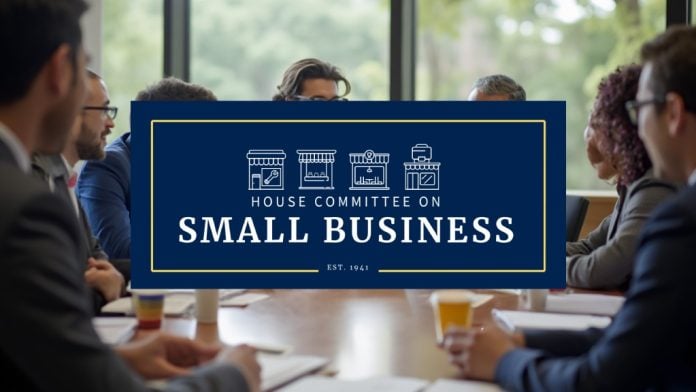
Congressman Roger Williams (R-TX) recently convened a vital roundtable discussion focused on the burgeoning economic opportunities presented by the FIFA World Cup 2026, set to take place in Dallas. With small businesses at the core of local economies, this meeting emphasized how entrepreneurs can strategically leverage the anticipated influx of visitors and attention to maximize their growth potential.
The event, co-hosted by Rep. Beth Van Duyne (R-TX), brought together four key stakeholders from the Dallas-Fort Worth region to explore how the World Cup is already creating new avenues for success in local markets. Attendees represented various sectors, including hospitality and retail, underlining the broad impact the tournament could have.
"The World Cup is coming to Dallas, and Main Street is ready to win big," stated Chairman Williams. He underscored that the timing of this gathering was ideal as it coincided with National Small Business Week. According to Williams, this event represents a unique opportunity for small businesses. "When the world comes to Texas this summer, we’re going to make sure every restaurant owner, retailer, and hotel operator in the Dallas-Fort Worth area is positioned to succeed."
The World Cup is expected to draw millions of visitors, providing a significant boost to local businesses. Restaurants, hotels, and retail shops stand to benefit immensely, especially as tourists seek unique local experiences. Small business owners should consider preparing special promotions and themed events to attract these visitors, creating memorable experiences that could lead to repeat business.
Practical applications are plentiful. For retailers, this is the perfect time to stock up on merchandise related to the event and create window displays that draw attention. For restaurants, specialized menus featuring international cuisines might entice World Cup fans seeking authentic flavor experiences. Additionally, hotels can capitalize on the surge in visitors by offering tailored packages that include transportation to and from matches.
However, the prospect of heightened demand comes with challenges. Small business owners will need to assess how to manage increased foot traffic and potential supply shortages. It’s essential to plan ahead for staffing needs, inventory management, and customer service enhancements to ensure that visitors have a positive experience.
Moreover, competition will likely intensify as local businesses vie for attention during the tournament. Establishing partnerships with other local enterprises may provide a competitive edge. Corporations and startups alike can collaborate on marketing campaigns, shared services, or co-hosted events to amplify their reach.
The significance of community engagement cannot be overstated. Local businesses are encouraged to harness social media and other marketing tools to promote their involvement in the World Cup festivities. By creating a unique brand presence during the event, companies can build lasting relationships with both visitors and local patrons.
Stakeholders noted the role of local government and agencies in supporting small businesses during this period. Continued dialogue, resources, and targeted assistance from public entities will be crucial in helping entrepreneurs adapt and thrive in this dynamic environment.
This roundtable marks an essential step for small businesses in the Dallas-Fort Worth area as they prepare for an extraordinary summer. With comprehensive planning, collaboration, and community engagement, local entrepreneurs can ensure that their ventures benefit from the World Cup’s economic windfall.
For more information on the roundtable and its implications, you can read the full release at smallbusiness.house.gov.
Image Via BizSugar