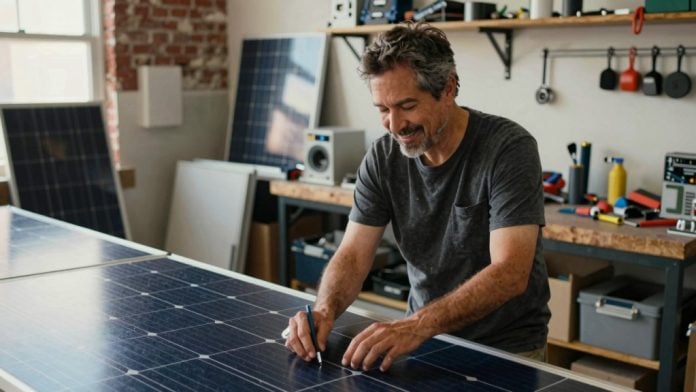
An emerging trend in New York could reshape how small businesses operate and manage their electricity costs: the rapid rise of small-scale solar energy. This shift, highlighted in a recent analysis from the U.S. Energy Information Administration, demonstrates significant changes in electricity demand patterns during the spring months.
As solar generation capacity has grown, particularly from small installations under 1 megawatt, midday demand for metered electricity has markedly declined. This trend is particularly relevant in March and April when solar generation conditions are ideal, and overall electricity consumption is lower.
Total solar capacity in New York has surged by 5.6 gigawatts since 2018, with small-scale solar installations comprising roughly half of that increase. While these systems are typically not metered by utility companies, their expansion is believed to significantly reduce midday electricity demand. For small business owners, this means a potential decrease in energy costs during times when they might benefit most from lower rates.
The analysis reveals that electricity demand in New York traditionally peaks twice daily: once in the morning and again in the evening. Historically, as people powered up their homes in the morning and returned from work in the evening, metered electricity demand would rise correspondingly. However, with the integration of small-scale solar, these demand patterns are changing.
For instance, in March and April of 2018, the average demand during the morning hours of 8:00 a.m. to 11:00 a.m. increased by 850 megawatts. Fast forward to 2026, and that demand has dropped by an average of 923 megawatts during the same period. Conversely, as solar generation wanes in the evening, the demand surged by an average of 2,221 megawatts during the evening hours, a notable increase from the 681 megawatts average back in 2018.
"Utilities generally prioritize dispatching solar energy," says Alex Felhofer, the principal contributor to the recent analysis. This shift not only modifies electricity consumption but also poses operational adjustments for utility grid operators, who must now adapt their generation strategies to balance the grid effectively.
For small business owners, this changing landscape of electricity demand presents both opportunities and challenges. The benefits of reduced midday demand can translate into cost savings; businesses can optimize operations during daylight hours when solar generation is high, perhaps even adopting energy-intensive processes in the middle of the day.
However, small business owners should also anticipate potential downsides. As the evening rush sees a spike in demand, businesses could face higher electricity rates during these hours. Those with energy-intensive needs must plan their usage strategically or consider investments in energy storage solutions to store solar energy for later use.
Additionally, while the growth of small-scale solar energy sources contributes to a greener ecosystem, it may raise issues of reliability and dependability compared to traditional power sources. Small businesses should remain cognizant of these shifts and possibly consider diversifying their energy sources to avoid becoming overly reliant on one form of energy.
In summary, the increasing prevalence of small-scale solar energy in New York presents a compelling case for small business owners. The potential for reduced midday electricity demand can provide significant financial relief, especially for those who can adjust their operations to capitalize on these trends. However, understanding and adapting to the shifting dynamics of electricity consumption, especially during the evening hours, will be critical to sustaining these advantages.
For more detailed information, you can view the original analysis here.
Image Via BizSugar