In a significant move against illegal drug operations, the U.S. Attorney for the Western District of North Carolina announced that Bryan Hernandez-Rendon, a 30-year-old Mexican national, faces federal charges for drug trafficking and illegal firearm possession. This case highlights not only the risks associated with illegal operations but also the broad implications for local businesses, particularly those in regions affected by crime.
On December 16, 2023, the Charlotte-Mecklenburg Police Department (CMPD) conducted a routine traffic stop that unveiled serious allegations against Hernandez-Rendon. During the stop, he disclosed that he lacked a driver’s license and that a firearm was present in his vehicle. Officers subsequently discovered over 427 grams of methamphetamine and a KAHR Arms CW40 pistol.
These charges are serious; if convicted, Hernandez-Rendon faces a minimum of 10 years in prison for drug possession, along with a five-year mandatory minimum for the firearm charge—both potentially culminating in life sentences. The complexities of prosecuting such cases are carried out by Special Assistant U.S. Attorney William Wiseman, highlighting the cooperative efforts among law enforcement agencies to tackle these issues.
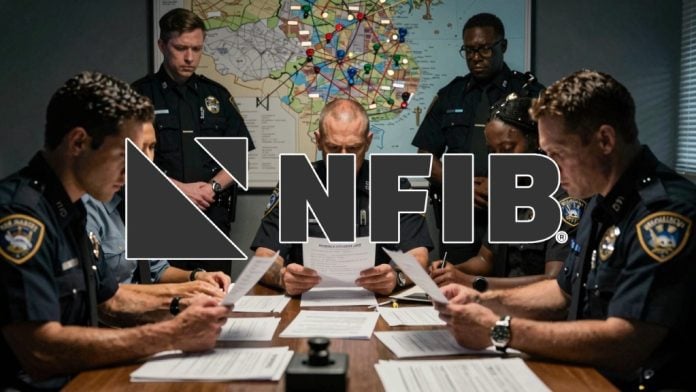
The Homeland Security Task Force (HSTF), which directed this investigation, is part of a larger initiative focused on combating organized crime, human trafficking, and gang violence in the U.S. The task force represents an unprecedented collaboration of various federal, state, and local law enforcement agencies, emphasizing a comprehensive approach to tackling these serious challenges. The HSTF plays a vital role in ensuring public safety and stability, benefitting not only community members but also small business owners who rely on a safe environment for their operations.
Small business owners must consider the broader implications of such criminal activities on their communities. Increased visibility of law enforcement efforts can lead to a more stable economic environment, which is crucial for businesses dealing with the realities of rising crime rates. Having more secure neighborhoods can enhance consumer confidence and encourage spending, directly impacting local economies.
However, there are challenges as well. Heightened law enforcement activity can also lead to concerns about community relations and perceptions of security. Business owners may worry about how these operations are perceived by potential customers and their overall impact on community morale. Balancing the need for safety with ensuring a welcoming atmosphere for all community members can be delicate.
Overall, the indictment of Hernandez-Rendon serves as both a warning and a reminder of the persistent threats posed by illegal drug trafficking and gun violence. For small businesses, awareness is critical. Understanding the implications of law enforcement activities not only informs a business’s community relations strategies but also provides insights into safeguarding operations against potential criminal influences.
As this case progresses, small business owners should keep an eye on local news and initiatives from the HSTF and other law enforcement agencies. Engaging with local chambers of commerce, attending community meetings, and participating in safety programs can further enhance their understanding and preparation for any future challenges.
To stay informed about developments in this ongoing situation, small business owners are encouraged to follow updates from the U.S. Attorney’s Office and the HSTF. Learning from cases like that of Hernandez-Rendon provides valuable insights that can help small businesses navigate a complex environment influenced by crime and law enforcement efforts.
For further details and updates, please refer to the original press release here.
Image Via BizSugar