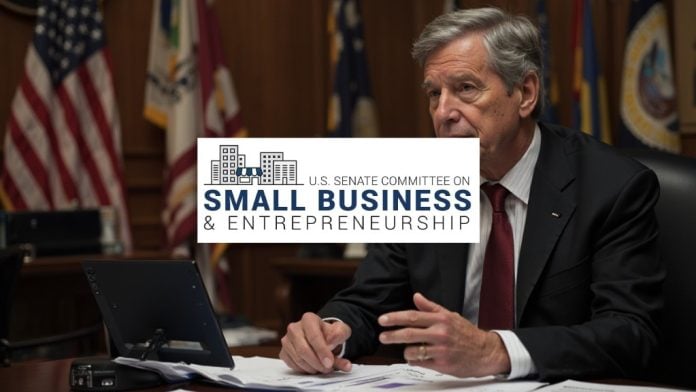
Rising tensions in the Middle East are making waves in the U.S. economy, particularly affecting small businesses already struggling with rising costs. Ranking Member Edward J. Markey (D-Mass.) has publicly addressed these concerns in a recent letter to the Acting Commissioner of the U.S. Bureau of Labor Statistics (BLS), calling for clarity on how escalating gas prices and energy costs are linked to President Trump’s controversial policies in Iran.
Markey’s letter highlights an alarming trend: since the onset of military actions, gas prices in Massachusetts surged by an average of 20 cents per gallon in just one week. This spike is only the beginning, with analysts projecting gas prices could reach $4 per gallon or more nationally as military actions escalate. For small businesses, which often operate on thin margins, such increases can have a dire effect on profitability and sustainability.
“American consumers should not be subjected to shakedowns every time they fill up their cars, just to pay for Donald Trump’s Middle Eastern crusade," Markey declared. His frustration underscores a broader concern: the impact of energy prices on everyday expenses. Small businesses, especially in sectors reliant on transportation or energy-intensive operations, may face compounding challenges from this energy crisis.
Markey pressed the BLS for non-partisan projections on several key economic factors, deeply affecting small businesses:
-
Energy Costs: He requested updated projections for consumer price changes in gasoline, home heating fuel, and electricity over the next six to twelve months, emphasizing the importance of understanding how military-related disruptions are influencing these prices.
-
Food Prices: A further request called for updated predictions on food costs, linking them to increased transportation expenses and disruptions to supply chains—the ramifications of which could be severe for small restaurants and retailers.
- Wider Consumer Goods: Projections for consumer goods across the board were also solicited, reflecting how inflation in one sector can ripple through the economy.
Markey’s insistence on accurate economic forecasting provides a crucial service to small business owners. It equips them with the information necessary to navigate these turbulent waters. "Energy costs impact virtually every economic sector," he noted, emphasizing the interconnectedness of pricing and its ripple effects across various industries.
Indeed, the ongoing global unrest poses risks far beyond immediate oil price hikes. Small businesses, particularly those with limited marketing budgets, may find it increasingly difficult to forecast costs and adjust pricing strategies in real time. As Markey poignantly pointed out, "Unfortunately, at this moment we are flying blind."
The BLS’s historical role has been to provide nonpartisan statistics and predictions vital to business planning. However, without clear insights into the potential duration of these military conflicts or the detailed methodology for projecting costs tied to geopolitical disruptions, small business owners may struggle to adequately prepare for financial impacts.
While Markey has long advocated for measures to shield small businesses from rising costs— such as his Tariff Refund Act of 2026 and prior initiatives to establish refund processes for tariffs—business owners should remain attentive to developments. The landscape is changing rapidly, and access to accurate information will be a critical factor in their survival and success.
Markey’s statement reflects a pressing urgency: "American families and small businesses have already begun to feel the consequences at the pump, in the grocery aisle, and their utility bills." As predictions of prolonged disruptions loom, the effects on affordability for small enterprises can hardly be overstated.
Small businesses can take proactive steps in light of this uncertain economic forecast. Establishing stronger supplier relationships, diversifying supply chains, and preparing contingency plans might mitigate the adverse effects of rising costs. Continuous monitoring of the situation and utilizing available resources from organizations focused on small business support can further prepare owners for potential financial stressors.
The road ahead may be rocky, but responsive measures and accessible data will empower small business owners to navigate the complexities of an increasingly challenging economic landscape. For further insights and updates on this evolving situation, you can read more in the original press release from Senator Markey here.
Image Via BizSugar