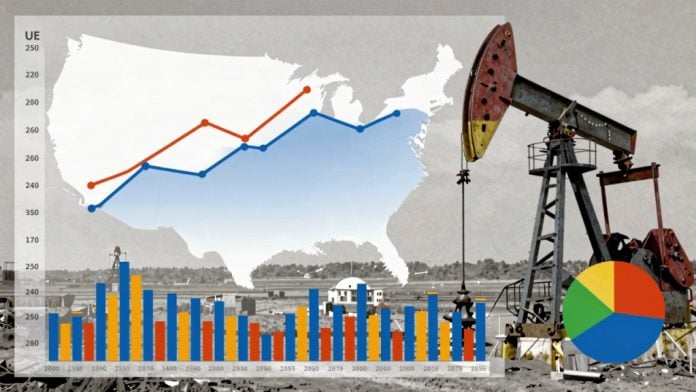
The landscape of energy consumption in the United States has undergone remarkable changes over the past 250 years, transitioning from wood to a diverse mix of renewables, hydrocarbons, and nuclear energy. Small business owners should pay close attention to these shifts, as they can have significant implications for operational costs and sustainability strategies.
According to recent data from the Energy Information Administration (EIA), total energy consumption reached 96 quadrillion British thermal units (quads) in 2025, marking a 2% increase from the previous year but still beneath the peak of 99 quads recorded in 2007. Petroleum remains the leading energy source, closely followed by natural gas, with both contributing to approximately 82% of total U.S. energy consumption.
This sustained reliance on fossil fuels may present a mixed bag for small businesses. On one hand, traditional energy sources are often more familiar and straightforward; however, increased scrutiny on fossil fuel use could lead to regulatory changes that impact costs. "Understanding the energy landscape is critical for businesses aiming to remain competitive and sustainable," said Mickey Francis, the principal contributor to the report.
The key takeaway for small business owners is the growing importance of renewable energy sources, which made up about 9% of total energy use in 2025. The gradual increase in renewables, such as wind and solar, presents both opportunities and challenges. Many businesses are beginning to explore options like solar panels and energy-efficient technologies that can lower their energy bills and carbon footprints.
However, the transition to renewable energy is not without its hurdles. Initial investments can be significant, and navigating the intricacies of solar grants, tax credits, and other incentives can be daunting. Small business owners must weigh the long-term benefits of renewable energy systems against these start-up costs.
In addition, the evolution of energy consumption patterns poses a challenge for businesses involved in manufacturing and service industries. The rise in electric vehicle (EV) usage is a noteworthy trend. By 2025, nearly 6 million EVs were on U.S. roads, a sixfold increase since 2018. As EV adoption grows, businesses may need to consider updating their facilities to accommodate charging stations. The U.S. is projected to see electricity demand grow significantly through 2027, primarily driven by data centers, cryptocurrency mining, and the burgeoning electric vehicle sector.
Fortunately, small businesses can leverage these trends to their advantage. The increasing availability of natural gas, especially from shale formations, has made energy more affordable in many regions. Transitioning to natural gas or energy-efficient technology can serve as both a cost-saving measure and a step toward environmental responsibility, a factor that consumers increasingly value.
The competition for renewable energy sources is intensifying. As more businesses consider switching to green alternatives, those that do not adapt may find themselves at a disadvantage, both in terms of operational costs and marketability. "A proactive approach to energy consumption allows small businesses to position themselves as leaders in sustainability," remarked Francis.
In particular, businesses in the manufacturing sector could benefit from integrating renewables into their energy mix. Though the initial investment may be steep, the savings on energy bills and potential tax incentives can offer substantial long-term ROI. Moreover, adopting sustainable practices can enhance a company’s reputation, attract eco-conscious consumers, and employee talent.
As small business owners assess their energy strategies, it’s crucial to stay informed about the ongoing shifts in energy consumption. Analyses like those from the EIA serve as invaluable resources, equipping businesses with the insights needed to navigate the complexities of energy use and make informed decisions.
In summary, the evolving energy landscape presents both opportunities and challenges for small businesses. By understanding and adapting to these changes, companies can enhance their sustainability efforts while potentially lowering operational costs. For more detailed information, visit the original EIA article here.
Image Via BizSugar