Key Takeaways

- Market Research is Crucial: Analyze local demand for recycling services and identify gaps in the market to tailor your offerings effectively.
- Choose the Right Business Model: Select between drop-off centers, pickup services, or specialized recycling operations, depending on community needs.
- Navigate Legal Requirements: Understand and obtain the necessary permits and licenses to comply with local environmental regulations for recycling operations.
- Secure Adequate Funding: Calculate startup costs and explore funding options, such as small business loans and grants, to support your recycling business’s financial health.
- Educate and Engage the Community: Develop marketing strategies to promote recycling services and host educational workshops to foster community participation and awareness.
- Monitor and Adjust Operations: Track performance metrics and customer feedback to adapt strategies for continuous improvement and sustainable growth in your recycling business.
Starting a recycling business can be a rewarding venture that not only benefits your community but also helps the planet. With rising concerns about waste and sustainability, more people are looking for eco-friendly solutions. If you’ve ever thought about turning your passion for the environment into a profitable business, now’s the perfect time to dive in.
You don’t need to be an expert to get started. With the right knowledge and a solid plan, you can create a successful recycling operation that meets local needs. From understanding the types of materials you can recycle to navigating regulations, this guide will walk you through the essential steps to launch your business and make a positive impact. Let’s explore how you can turn your recycling dreams into reality.
How To Start A Recycling Business
Starting a recycling business involves several essential steps for successful operation.
- Research the Market
Research potential demand for recycling services in your area. Analyze competitors and identify gaps in the market. Understand which materials locals prioritize, such as plastics, metals, or paper.
- Choose a Business Model
Decide on a business model that aligns with your goals. Options include drop-off centers, pickup services, or mobile recycling units. Each model has its advantages based on community needs.
- Obtain Necessary Permits
Obtain the required permits and licenses for your recycling business. Regulations vary by location. Confirm local environmental laws to ensure compliance.
Determine startup costs and secure adequate funding. Calculate expenses, including equipment, transportation, and facility costs. Explore small business loans, grants, or investors to support your venture.
- Set Up Operations
Find a suitable location for your recycling operation. Establish partnerships with local businesses and governments to source recyclable materials. Invest in necessary equipment like balers, shredders, and transport vehicles.
- Create a Marketing Strategy
Develop a marketing strategy to promote your recycling services. Utilize social media, newspapers, and community events to raise awareness. Highlight the benefits of recycling to attract customers.
- Educate the Community
Educate the community about recycling practices. Organize workshops or information sessions to increase awareness and participation. Effective community education enhances overall success.
- Monitor and Adjust
Monitor operations and adjust strategies as needed. Track performance metrics and gather customer feedback. Adapt to changing market demands for continuous growth.
Following these steps equips you with the foundation needed to establish a recycling business that positively impacts your community and the environment.
Understanding The Recycling Industry
Understanding the recycling industry forms a crucial foundation for starting a recycling business. Key trends and market dynamics significantly influence how your venture can succeed.
Overview Of The Recycling Market
The global waste recycling market demonstrates significant growth. As of 2023, the market value reached $51.7 billion, with projections indicating a rise to $101.1 billion by 2032. A Compound Annual Growth Rate (CAGR) of 7.8% from 2024 to 2032 shows the industry’s robust expansion driven by sustainability trends, regulatory frameworks, and technological innovations in waste management solutions. Engaging in this market aligns your small business with increasing demands for eco-friendly services, positioning you on the forefront of environmental conservation.
Types Of Recycling Businesses
Establishing your recycling business involves choosing from several types based on target needs.
- Drop-off Centers: Set up locations where individuals can bring recyclable materials.
- Pickup Services: Offer scheduled collection services for households and businesses to facilitate recycling participation.
- Material Recovery Facilities: Operate facilities that sort and process recyclables, transforming waste into reusable materials.
- E-waste Recycling: Specialize in the collection and recycling of electronic waste, a growing segment due to rapid technological advancements.
- Construction and Demolition Recycling: Focus on salvaging materials from construction sites, reducing landfill waste.
Identifying the type that aligns with your community needs enhances the potential for your small business to thrive in a competitive environment.
Developing A Business Plan
A robust business plan sets the foundation for a successful recycling enterprise. Key components of this plan include defining your business model, conducting thorough market research, and creating detailed financial projections.
Defining Your Business Model
Outline the specific recycling services offered. Select the types of materials to recycle like paper, plastic, metal, or e-waste. Identify if your operation includes services for hazardous waste. Ensure you clarify whether you operate as a drop-off center or provide pickup services, aligning your model with community needs and preferences.
Conducting Market Research
Analyze the local market to assess demand for recycling services. Identify competitors and evaluate their strengths and weaknesses. Gather data on local recycling habits and preferences through surveys or community outreach. Understanding these dynamics helps tailor your business strategy for maximum impact and relevance.
Creating Financial Projections
Develop a thorough breakdown of startup and operational costs. Include expenses related to processing facilities, transportation, employee wages, waste management equipment, and utilities. Project revenue by estimating potential sales from recycled products. Assess funding options such as small business loans or grants to support initial costs. This financial foundation informs your business strategy and ensures sustainability.
Legal Requirements And Permits

Starting a recycling business involves navigating legal requirements and permits. Understanding the regulations specific to your locality is essential to operate legally and effectively.
Understanding Local Regulations
Research local regulations specific to recycling. Each state and municipality has different environmental laws governing recycling operations. Regulations cover aspects such as waste management, air quality, and waste disposal practices. Familiarize yourself with the necessary compliance standards to avoid legal issues. Consulting with local regulatory agencies provides valuable insights into obtaining required permits and meeting operational guidelines.
Obtaining Necessary Licenses
Acquire the necessary licenses to operate a recycling business legally. You must register your business with relevant state authorities. This process involves selecting a unique business name and obtaining a tax ID number from the IRS. Environmental permits ascertain compliance with local environmental standards. Occupational permits ensure adherence to local safety regulations that prioritize worker safety and equipment usage. Verify that you obtain all required licenses based on your business model to align with legal expectations.
Materials And Tools Needed
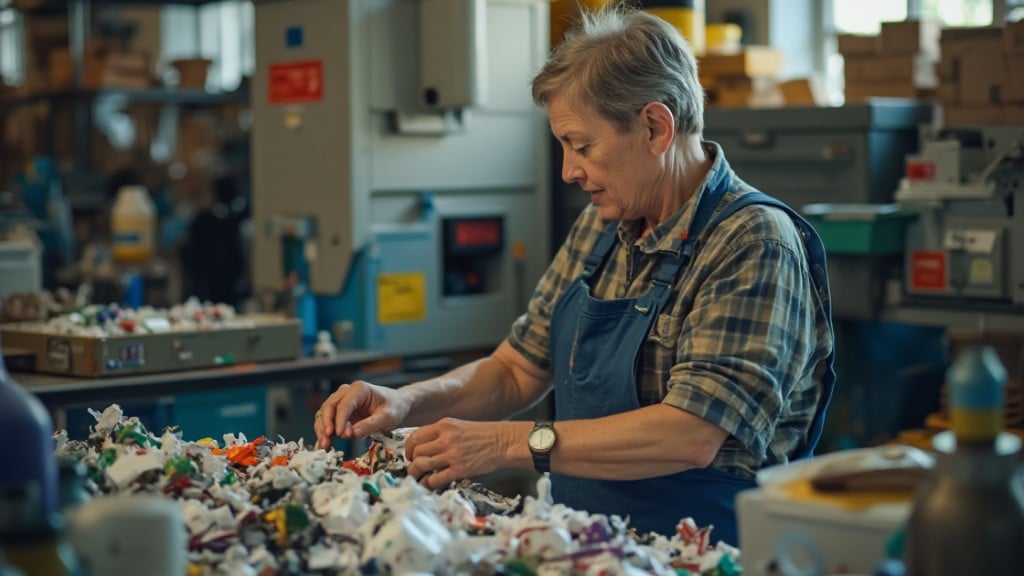
Starting a recycling business requires specific materials and tools that enhance efficiency and effectiveness in operations. Here’s an overview of essential equipment and gear.
Essential Equipment For Collection
- Vehicles: Utilize trucks or vans for transporting collected materials. Consider vehicles with adequate space for different types of recyclable materials.
- Containers: Obtain bins or containers for sorting and storing recyclables at collection points. Use labeled containers for clarity.
- Protective Gear: Invest in safety gear such as gloves, helmets, and safety glasses for employees during collection. Ensure compliance with safety regulations.
Sorting And Processing Gear
- Sorting Equipment: Acquire machines or manual sorting tables to separate recyclables by type. Sorting enhances material quality and increases resale value.
- Processing Machines: Choose equipment like balers and shredders for processing materials into manageable sizes. These machines facilitate easy transportation and packaging.
- Weighing Scales: Implement scales for accurately measuring materials collected. Regular tracking of weight assists in inventory management and financial assessments.
Securing the right materials and tools sets the groundwork for a successful small business in recycling.
Setting Up Your Recycling Operation
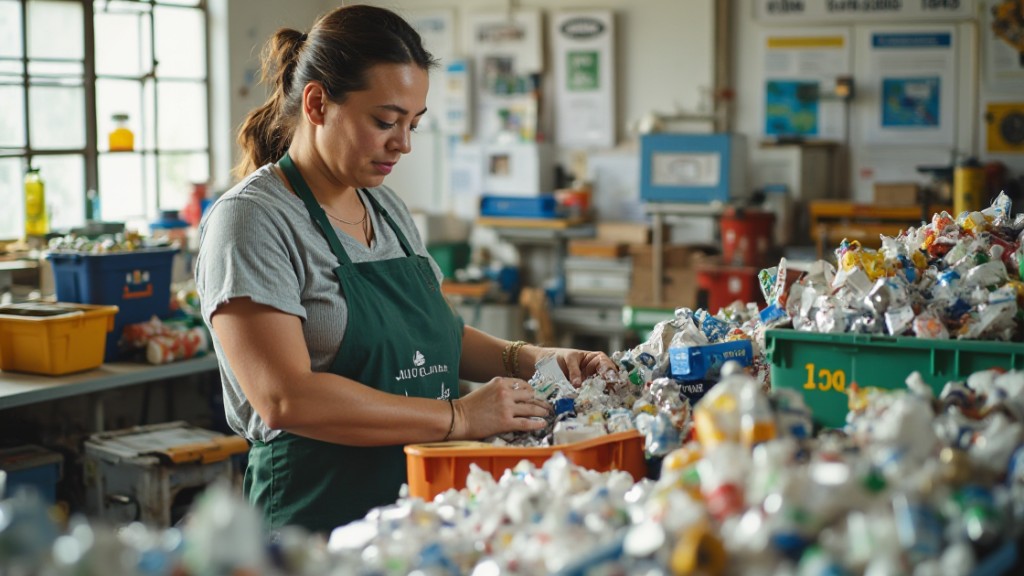
Setting up an effective recycling operation requires strategic decisions regarding location, collection points, and processing facilities.
Choosing A Location
Select a location that offers accessibility and visibility to potential customers. Prioritize areas near high-density populations or commercial districts where recyclable materials are abundant. Consider proximity to transportation routes to facilitate efficient collection and distribution. Analyze local zoning regulations to ensure compliance with land-use requirements. Evaluate competition within the vicinity, noting gaps that your operation can fill. A well-located recycling center attracts participation and streamlines operations.
Setting Up Collection Points
Establish collection points to enhance material intake from the community. Identify convenient and accessible locations for drop-off centers, such as schools, shopping centers, or community parks. Use signage that clearly labels collection items to inform participants about acceptable materials. Implement regular maintenance schedules for these points to ensure cleanliness and organization, preventing overflow or contamination. Collaborate with local businesses for partnership opportunities to expand collection networks. These effortless drop-off solutions encourage community involvement in recycling initiatives.
Organizing Processing Facilities
Create an efficient design for your processing facilities to optimize material sorting and processing workflows. Space arrangements require designated areas for incoming materials, sorting, and storage. Invest in essential equipment such as balers, shredders, and conveyor belts to enhance productivity. Train staff thoroughly on operational protocols and safety measures to maintain an effective workforce. Maintain compliance with local environmental regulations by integrating waste management practices into daily operations. Proper organization within processing facilities maximizes productivity and supports smooth recycling operations.
Marketing Your Recycling Business

Effective marketing is essential for the success of your recycling business. Understanding your target audience ensures that your efforts resonate and engage the right individuals.
Identifying Your Target Audience
Define your target audience by analyzing demographics and behaviors. Focus on groups interested in sustainability, such as environmentally conscious individuals and businesses. Consider the age range, income levels, and specific communities you want to serve. Research local interests, preferences, and community values related to recycling to tailor your approach effectively. Establishing connections with schools and local businesses enhances awareness and participation in your recycling initiatives.Creating An Effective Marketing Strategy
Develop a comprehensive marketing strategy that utilizes multiple channels. Implement both online and offline tactics to maximize reach.
-
Utilize Social Media: Create profiles on platforms like Facebook, Instagram, and Twitter to share informative content, sustainable tips, and local success stories. Engage regularly with your audience by posting updates about recycling programs, promotions, and educational events.
- Leverage Community Events: Participate in local events, such as fairs or farmers’ markets, to showcase your services. Provide informational materials and interactive demonstrations to attract interest.
- Offer Incentives: Implement referral programs that reward customers for bringing in new clients. Promote discounts or special offers to encourage more participation in your recycling services.
- Collaborate with Local Businesses: Build partnerships with businesses that align with your sustainability goals. Networking with them can lead to cross-promotions, increasing visibility for both parties.
- Educate the Community: Host workshops or webinars focused on recycling practices and sustainability. Providing valuable knowledge positions your business as a leader in eco-friendly initiatives.
- Optimize Your Website: Ensure your online presence is strong with an optimized, informative website. Include clear calls to action and engage visitors with valuable content about recycling processes and benefits.
Implementing these strategies creates a robust marketing plan that effectively communicates your recycling services to your target audience and enhances community involvement.
Staffing Your Recycling Business
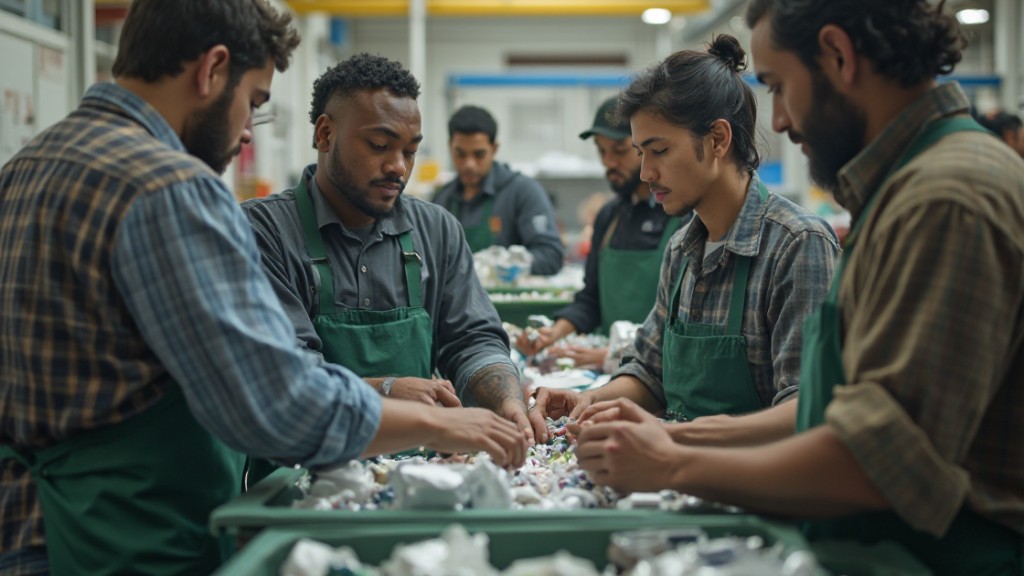
Effective staffing is vital for running a successful recycling business. Identifying and hiring suitable employees ensures efficient operations and compliance with industry standards.
Hiring Suitable Employees
- Experience and Skills: Seek individuals with experience in the recycling industry. Look for knowledge of environmental regulations and strong communication skills. Teamwork and attention to detail are essential skills to prioritize.
- Job Postings: Advertise job openings on relevant job boards and social media platforms. Utilize industry-specific websites to attract qualified candidates.
Training And Safety Protocols
- Training Requirements: Implement comprehensive training programs for employees. Focus on recycling processes, equipment use, and safety regulations specific to the recycling industry.
- Safety Protocols: Establish safety protocols to protect employees. Ensure the use of personal protective equipment (PPE), and train staff on proper handling of recyclables. Conduct regular safety drills and ensure compliance with local regulations.
Launching Your Recycling Business
Establishing a successful recycling business requires careful preparation and collaboration. The following steps outline key activities to consider.
Preparing For The Grand Opening
- Plan a grand opening event to generate excitement about your recycling business. Invite local residents and businesses to attend and learn about your services.
- Promote the event through local media, community bulletin boards, and social media platforms to reach a wider audience.
- Prepare promotional materials that outline the benefits of recycling, and emphasize the services you offer.
- Ensure all operational aspects are in place before the event, including necessary equipment, trained staff, and signage.
Building Partnerships With Local Businesses
-
Collaborate with Sustainability businesses that share a commitment to sustainability. Approach them with proposals for recycling initiatives that benefit both parties.
- Offer tailored recycling solutions that address specific needs, such as regular pickups for office waste or recycling drives for community events.
- Leverage partnerships to enhance the visibility of your recycling services. Joint marketing efforts can attract new customers and emphasize your commitment to environmental responsibility.
- Establish referral agreements that encourage local businesses to direct customers your way, offering incentives to increase participation.
These strategic activities set the foundation for a successful launch and growth of your small recycling business.
Troubleshooting Common Issues
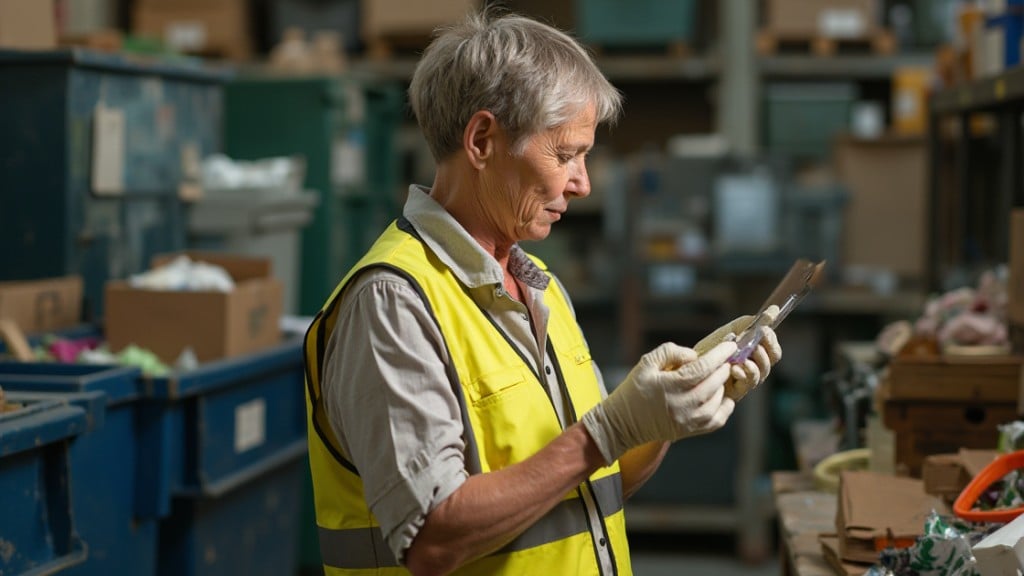
Navigating common issues enhances your recycling business’s efficiency and effectiveness. Addressing these challenges promptly ensures smoother operations and improved community engagement.
Dealing With Contamination In Recyclables
Contamination leads to increased disposal costs and reduced recycling rates. Identify common contaminants like food waste, non-recyclable plastics, and hazardous materials. Educate customers on proper recycling practices through workshops and informational materials. Implement strict sorting protocols to minimize contamination during collection and processing stages. Utilize visual aids on containers to guide customers in separating recyclables correctly.
Managing Operational Challenges
Operational challenges can disrupt the flow of your recycling business. Focus on improving logistics by researching optimal routes for collection and delivery. Ensure equipment maintenance to prevent breakdowns and maintain processing efficiency. Regularly assess staffing needs and adjust schedules based on peak workload periods, fostering productivity. Stay informed on local regulations to adapt operations and remain compliant. Collaborate with industry peers to share best practices and strategies for overcoming obstacles.
Tips For Sustainable Growth
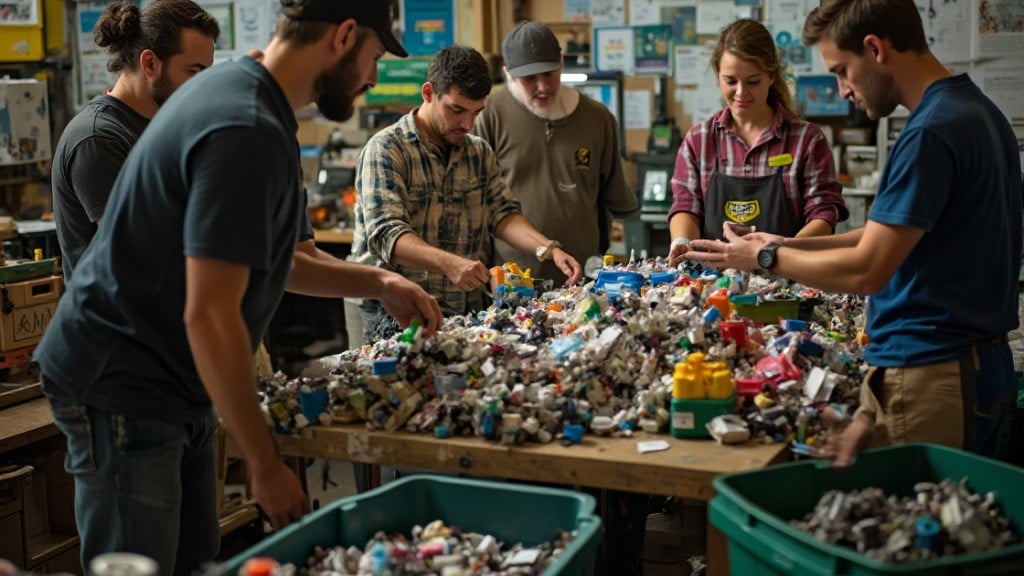 Sustainable growth in a recycling business involves strategic expansion and community engagement. Implementing these approaches enhances service offerings and fosters stronger community ties.
Expanding Services And Offerings
- Analyze customer feedback to identify service gaps. Focus on extending offerings like electronic waste recycling, textile recycling, or construction material recovery.
- Diversify service models by introducing subscription plans or bulk pickup services. Implement tiered pricing for residential and commercial clients to cater to different needs.
- Explore partnerships with local businesses for shared campaigns and cross-promoted services. Collaborate with schools to provide recycling programs and educational resources.
- Invest in technology to streamline operations. Utilize mobile applications to facilitate customer interactions and encourage online recycling requests.
Engaging The Community
- Organize community recycling events to increase public involvement. Host workshops that educate participants about recycling practices and the benefits of sustainability.
- Utilize social media platforms to share success stories and updates. Create shareable content that showcases community contributions to recycling efforts.
- Launch incentive programs that reward responsible recycling behavior. Offer discounts or giveaways linked to recycling participation to motivate community engagement.
- Network with local organizations and attend community events to establish your business presence. Engage with residents directly to showcase your commitment to environmental sustainability.
Conclusion

Starting a recycling business not only contributes to a sustainable future but also opens doors for entrepreneurial success. By following the outlined steps and focusing on community needs, you can create a thriving operation that makes a positive impact. Remember to stay informed about industry trends and regulations to keep your business ahead of the curve.
Engaging with your community through education and marketing will enhance participation and support. As you navigate the challenges and opportunities in this growing market, your commitment to sustainability will resonate with customers and foster long-lasting relationships. Embrace the journey and watch your recycling business flourish.
Frequently Asked Questions
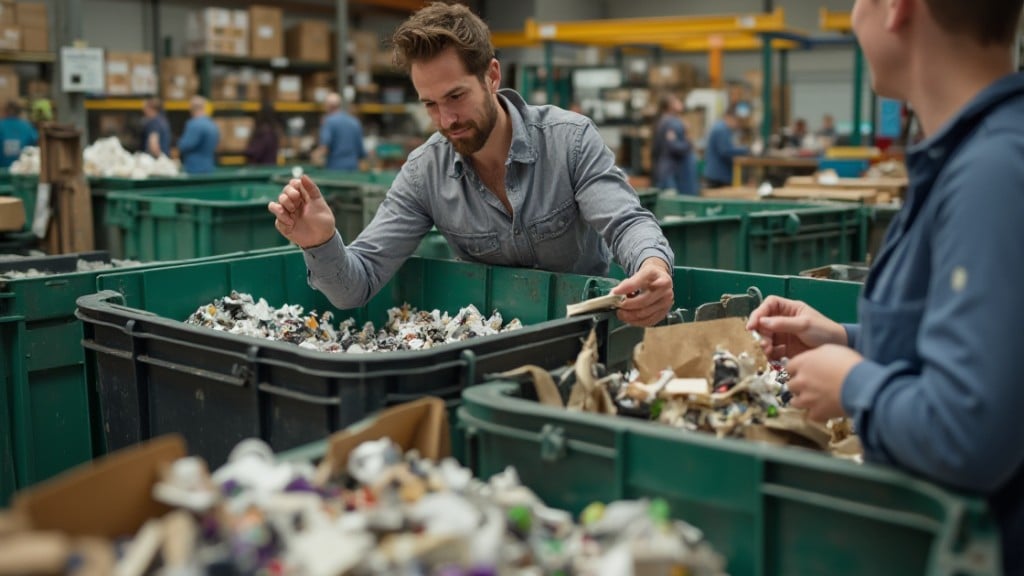
What are the main steps to start a recycling business?
To start a recycling business, research the market, choose a suitable business model, obtain necessary permits, and secure funding. Then, find a location, establish partnerships for sourcing materials, and invest in essential equipment. Lastly, develop a marketing strategy and educate the community about recycling practices.
Do I need special expertise to start a recycling business?
No, special expertise is not required to start a recycling business. With the right knowledge, planning, and resources available, anyone can successfully establish a recycling operation. Focus on understanding recyclable materials and industry regulations to lay a solid foundation for your venture.
How can I promote my recycling business effectively?
Promote your recycling business through a comprehensive marketing strategy. Utilize social media to share informative content, engage in local events, offer incentives, and collaborate with local businesses. An optimized online presence, including a well-designed website, can also enhance visibility and community engagement.
What kind of permits are needed for a recycling business?
Permits vary by location but generally include business registration, environmental permits, and occupational permits. It’s essential to consult local regulatory agencies to ensure compliance with laws governing waste management and environmental safety.
How can I ensure efficient operations in my recycling business?
To ensure efficient operations, invest in the right equipment, establish clear sorting and processing protocols, and maintain compliance with environmental regulations. Regularly assess performance metrics and customer feedback to optimize operations and enhance service quality.
What types of recyclable materials can I focus on?
Recyclable materials can include paper, plastics, metals, e-waste, and construction debris. Choose materials based on community needs and market demand, aligning your business model to maximize impact and profitability.
How important is community engagement in a recycling business?
Community engagement is crucial for the success of a recycling business. Educating the public through workshops and events increases participation, fosters awareness about recycling practices, and enhances the overall effectiveness of your operations.
What are some common challenges faced by recycling businesses?
Common challenges include contamination in recyclables, logistics issues, and staffing needs. Addressing these challenges through customer education, regular equipment maintenance, and effective training programs can help improve efficiency and community involvement.
How can I measure the success of my recycling business?
Measure the success of your recycling business through performance metrics like the volume of materials processed, community participation rates, and financial projections. Gathering and analyzing customer feedback can also provide insights into areas for improvement and growth potential.
Image via Google Gemini