Key Takeaways

- Market Research is Essential: Analyze local demand and competition to identify your target market and segmented demographics before launching your storage business.
- Create a Comprehensive Business Plan: Outline your services, pricing strategies, and operational processes to establish a clear roadmap for your storage facility.
- Choose a Strategic Location: Select a site with high demand, accessibility, and visibility to attract potential customers effectively.
- Understand Legal Requirements: Familiarize yourself with zoning laws, necessary licenses, and insurance options to ensure compliance and protect your business.
- Implement Effective Marketing Strategies: Utilize both online marketing techniques and community outreach to increase visibility and draw in customers from various segments.
- Focus on Customer Service and Technology: Prioritize excellent customer experiences and integrate technology for efficient management of rentals, payments, and operational tasks.
Starting a storage business can be a lucrative venture in today’s fast-paced world. With people constantly seeking extra space for their belongings, the demand for storage solutions is higher than ever. Whether it’s for personal use or business needs, you have a unique opportunity to tap into this growing market.
You don’t need a massive investment to get started. With the right strategy and planning, you can turn a simple idea into a profitable business. From choosing the right location to understanding legal requirements, every step is crucial in setting up your storage facility. Let’s explore the essential steps you need to take to launch your successful storage business and make your mark in this thriving industry.
How to Start a Storage Business

Starting a storage business involves several key steps that lead to sustainable success.
1. Conduct Market Research
Assess local storage demand by analyzing competition and understanding customer needs. Identify target demographics such as college students, families, or businesses needing additional space.
2. Create a Business Plan
Draft a thorough business plan detailing your storage services, pricing models, marketing strategies, and financial projections. Outline operational processes and administrative functions to streamline management.
3. Select a Location
Choose a strategic location for your storage facility. Opt for areas with high demand and accessible roadways. Ensure visibility to attract customers.
4. Understand Legal Requirements
Research local zoning laws and obtain necessary licenses. Comply with safety, insurance, and environmental regulations applicable to your facility.
5. Secure Financing
Explore various funding options like personal savings, loans, or investors. Prepare financial documents detailing startup costs including facility renovation and marketing expenses.
6. Design Your Facility
Plan the layout of your storage space. Include various unit sizes and ensure appropriate features such as climate control, security systems, and easy access.
7. Market Your Business
Implement marketing strategies to attract customers, including online ads, social media promotions, and local partnerships. Utilize search engines to enhance visibility.
8. Utilize Technology
Incorporate technology for managing rentals and payments. Use software for efficient customer management and operational processes.
9. Focus on Customer Service
Establish policies for excellent customer service. Train staff to handle inquiries effectively and maintain communication throughout contracts.
10. Monitor Performance
Regularly review business performance using key metrics. Assess occupancy rates, revenue trends, and customer feedback to identify improvement areas.
By following these steps, you can effectively launch your small business in the storage industry.
Understanding the Storage Business

Familiarity with the storage business involves understanding its key components and market dynamics.
Overview of the Storage Industry
The storage industry offers secure and convenient space for individuals and businesses to store belongings. Monthly rentals of storage units in various sizes characterize the primary operation. Facilities often include features such as sturdy construction, individual locks, and climate control to ensure item protection.
Types of Storage Businesses
Several types of storage businesses exist, each catering to different needs:
- Self-Storage Facilities: Provide individuals and businesses with personal units.
- Mobile Storage Units: Offer portable options delivered directly to customers.
- Climate-Controlled Storage: Focus on protecting sensitive items such as electronics and antiques.
- Vehicle Storage: Specifically designed for cars, boats, and RVs.
Market Demand and Opportunities
The demand for storage solutions grows in urban areas, driven by downsizing and the need for extra space. Market research indicates that approximately 10% of American households utilize storage facilities. Opportunities exist for niche services like specialized storage for businesses, seasonal storage offerings, or tailored plans for long-term rentals. Understanding local demographics can further enhance your ability to tap into available market potential.
Planning Your Storage Business

Planning your storage business involves methodical preparation. Strong foundations ensure long-term success and stability in a competitive market.
Creating a Business Plan
Creating a comprehensive business plan serves as the backbone of your small business. Important components include:
- Mission and Vision Statements: Articulate the purpose and future aspirations of your storage facility. Crafting these statements shapes strategy and attracts potential investors.
- Executive Summary: Summarize your mission, objectives, and ideal clientele. Also, outline your marketing strategy, revenue models, and competitive landscape to provide clarity on your approach.
- Market Analysis: Execute a detailed market analysis. Analyze local demographics, median income levels, vehicle traffic patterns, and projected population growth to identify trends and opportunities within the market.
Identifying Your Target Market
Identifying your target market plays a crucial role in your business’s success. Key actions include:
- Demographic Research: Investigate age groups, income levels, and lifestyle preferences in your area. Data-driven understanding helps customize your offerings.
- Customer Segmentation: Group potential customers into segments such as residential clients, businesses, and students. Tailoring marketing strategies to these segments enhances engagement and conversion.
- Needs Assessment: Assess storage needs within your target market. Consider factors like climate control requirements, unit sizes, and access hours, ensuring you meet diverse customer expectations.
Choosing a Business Model
Choosing an appropriate business model defines operational strategy. Important models in a storage business include:
- Self-Storage Facilities: Offer individual units for renters to access freely. This option attracts a wide range of customers looking for convenience.
- Mobile Storage Units: Provide portable storage solutions. Flexible service appeals to clients seeking convenience during relocation or renovations.
- Climate-Controlled Storage: Cater to customers needing temperature-sensitive storage solutions. This specialization captures clients with valuable items requiring protection from environmental damage.
Legal Requirements

Establishing a storage business involves understanding and complying with specific legal requirements. Fulfilling these requirements safeguards your investment and ensures smooth operations.
Registering Your Business
Select a business entity to register your storage business legally. Common options include sole proprietorships, partnerships, LLCs (Limited Liability Companies), and corporations. LLCs and corporations often provide liability protection and favorable tax advantages crucial for small business operations. Complete the registration process through your state’s business office, ensuring all required documentation aligns with local regulations.
Obtaining Necessary Licenses and Permits
Acquiring the appropriate licenses and permits is essential for operating your storage business legally. Research local zoning laws and obtain the necessary permits to establish a facility in your desired location. Additionally, obtain a business license from your city or county. If offering specialized services such as climate-controlled storage, check for any additional licensing requirements specific to those services.
Insurance Considerations
Explore various insurance options to protect your storage business and assets. The Hartford liability insurance serves to cover property damage and personal injury claims. Consider obtaining property insurance to cover facility damages and loss of inventory due to theft, fire, or natural disasters. Depending on your offerings, additional coverage options such as business interruption or specific storage insurance may enhance your risk management strategy.Finding a Location

Choosing the right location is pivotal for your storage business’s success. Evaluate several key aspects to maximize your potential.
Assessing Potential Sites
Assess potential sites by examining market conditions. Identify areas with high demand and limited supply to increase occupancy rates. Look for regions experiencing new residential construction or growing populations; these locations often yield high storage unit demand. Verify zoning and compliance to ensure the selected site allows self-storage facilities. Research whether any conditional-use permits are necessary.
Evaluating Local Competition
Evaluate local competition by conducting market research. Identify existing storage facilities within a 3- to 5-mile radius. Analyze their pricing structures, occupancy rates, and features. Understand their strengths and weaknesses to differentiate your services effectively. Consider offering specialized storage options, which can attract customers seeking unique solutions.
Lease vs. Purchase
Decide between leasing and purchasing property based on your financial strategy. Leasing provides lower upfront costs and greater flexibility, allowing you to adapt to market demands quickly. Purchasing offers long-term financial stability and potential property appreciation. Analyze your budget and growth projections to make an informed choice that aligns with your small business objectives.
Setting Up Your Facility
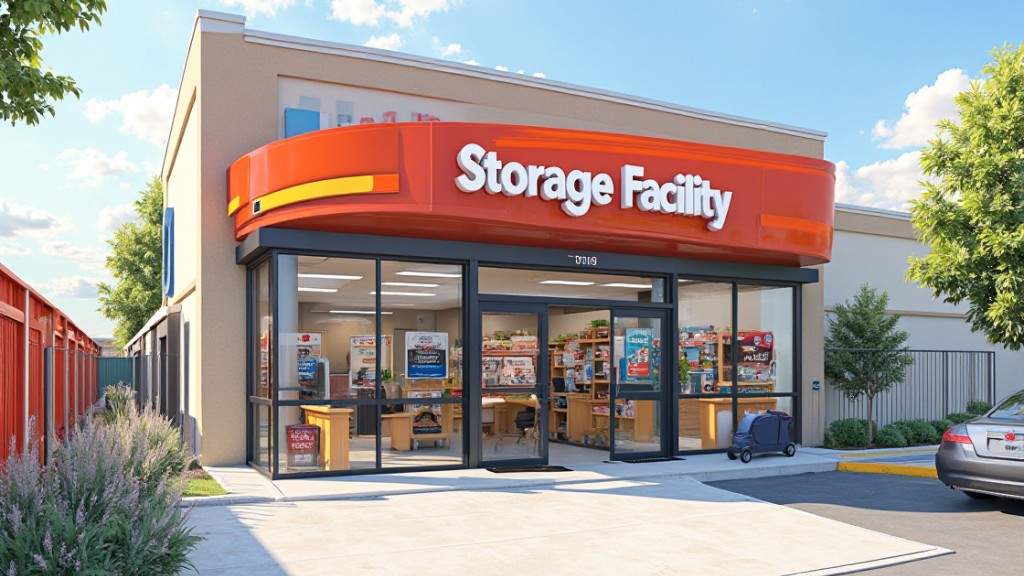
Setting up your facility includes essential elements such as design, security, and amenities.
Designing Your Storage Space
Design a storage space that maximizes efficiency and accessibility. Select unit sizes that cater to various customer needs. Implement a logical layout that optimizes traffic flow and allows for easy navigation. Consider climate-controlled units to attract clients looking for specialized storage for sensitive items. Allocate areas for loading and unloading that facilitate smooth operations. Provide clear signage for easy identification of unit locations.
Security Measures to Implement
Implement robust security measures to protect your clients’ belongings. Install surveillance cameras covering all critical areas of the facility. Use access control systems to restrict entry to authorized individuals only. Employ adequate lighting throughout the property to enhance visibility during night hours. Conduct regular maintenance checks on locks and gates to ensure optimal functionality. Consider insurance options to provide further security for clients’ assets.
Facilities and Amenities
Offer various facilities and amenities to enhance customer satisfaction. Include features such as on-site management to assist clients with inquiries. Provide packing supplies like boxes and tape for convenience. Ensure cleanliness and maintenance of all units and common areas. Establish vehicle access for easy transportation of items. Explore options for in-person or online payment systems to streamline billing processes.
Marketing Your Storage Business

Effective marketing maximizes visibility and attracts customers to your storage business. Implementing a comprehensive marketing strategy ensures you reach your target audience and grow your client base.
Developing a Marketing Strategy
Design a marketing strategy tailored to your storage business objectives. Identify customer segments such as residential clients, students, or businesses. Analyze competitors to differentiate your services. Align promotional efforts with business goals to enhance visibility and engagement.
Online Marketing Techniques
Utilize online marketing techniques to reach a broad audience. Establish a professional website that displays services, pricing, and features. Optimize the website for search engines to climb to the top of search results. Use social media platforms for targeted advertising and customer interaction. Implement email marketing campaigns to keep potential clients informed about offers and updates, driving conversions.
Community Outreach Strategies
Engage with the local community to build relationships and brand recognition. Attend local events and sponsor community activities to enhance visibility. Partner with nearby businesses for mutual referrals, attracting additional clients. Offer promotions for local residents to encourage sign-ups, establishing your storage business as a go-to solution in the area.
Pricing Your Services
Effective pricing strategies play a crucial role in attracting customers and maximizing revenue in your storage business. Consider evaluating competitor pricing and implementing promotions to enhance your market position and appeal to potential clients.
Analyzing Competitor Pricing
Assessing competitor pricing helps you understand market standards and provides insights into your pricing strategy. Identify and analyze at least three local competitors, noting their unit sizes, features, and pricing structures. Track the services they offer, such as climate control or 24-hour access. Compare your prices with theirs, ensuring your pricing reflects your facility’s value and features while remaining competitive. Adjust your rates as necessary to align with market demands, safeguarding your position in the industry.
Offering Promotions and Discounts
Implementing promotions and discounts can effectively attract new customers and encourage long-term rentals. Consider offering limited-time discounts for first-time customers, referral benefits for existing clients, and seasonal promotions. For instance, a 10% discount on the first three months encourages rental commitments while building loyalty. These promotions entice potential clients to choose your small business over competitors, driving initial customer acquisition and boosting occupancy rates. Regularly evaluate the performance of these promotions to assess their effectiveness and make adjustments as needed.
Managing Your Storage Business

Managing your storage business requires careful attention to daily operations, customer service excellence, and strategic use of technology. Focus on creating streamlined processes to enhance efficiency and satisfaction.
Daily Operations and Management
Daily operations involve overseeing all aspects of your storage facility. Implement standardized procedures for unit rentals and inventory management. Conduct regular facility inspections to ensure cleanliness and security. Schedule staff shifts effectively to maintain sufficient coverage and productivity. Establish maintenance protocols for equipment and facilities to minimize downtime and enhance safety. Develop monthly financial tracking to assess revenue and occupancy rates. Adherence to these practices promotes smooth operations and customer satisfaction.
Customer Service Best Practices
Customer service best practices create positive experiences for clients. Train staff on effective communication skills and conflict resolution strategies. Respond promptly to inquiries through multiple channels, including phone, email, and chat. Gather customer feedback regularly to identify areas for improvement. Implement a loyalty program to encourage repeat business and referrals. Use technology to remind customers of payment due dates and offer online payment options. These practices foster strong relationships with customers and increase retention rates.
Technology Tools for Efficiency
Technology tools enhance operational efficiency and customer experience. Utilize property management software to streamline bookings, payments, and customer communications. Implement security technologies such as access control systems and surveillance cameras to protect clients’ belongings and property. Adopt digital marketing tools to improve online visibility and attract new customers. Use analytics software to monitor business performance and customer behavior, facilitating informed decision-making. Leveraging these technologies empowers your small business to operate effectively and remain competitive in the storage industry.
Troubleshooting Common Issues

Effectively managing a storage business involves addressing various common issues that may arise.
Handling Customer Complaints
Handling customer complaints requires prompt attention and effective strategies. Listen actively to customer concerns to understand the problem thoroughly. Document complaints for systematic follow-up to track resolution. Respond swiftly, aiming for solutions that align customer expectations with company policies. Train staff on communication techniques to ensure respectful interactions while managing conflicts. Offer compensation options such as discounts or upgrades when appropriate to restore customer satisfaction.
Maintenance Challenges
Maintenance challenges often play a significant role in operational efficiency. Conduct regular inspections of facilities and storage units to identify issues early. Implement a preventive maintenance schedule to address wear and tear proactively. Utilize a maintenance management system to track repairs and ensure timely completion of tasks. Hire skilled professionals for specialized maintenance tasks to uphold facility standards. Budget for maintenance costs to avoid unexpected expenses that can disrupt operations.
Adapting to Market Changes
Adapting to market changes requires agility and awareness. Monitor trends in demand for storage solutions to identify shifts in customer needs. Conduct regular market analysis to assess local competition and adjust services accordingly. Evaluate customer feedback to refine offerings and improve customer experience. Explore diversification by introducing new services or units, such as climate-controlled or mobile storage options. Adjust pricing strategies based on market dynamics to remain competitive in your small business.
Conclusion
Starting a storage business offers a promising opportunity in today’s market. With careful planning and a strategic approach, you can carve out your niche and meet the growing demand for storage solutions. Focus on understanding your local market and ensuring compliance with legal requirements to set a solid foundation.
Emphasizing customer service and utilizing technology will help you stand out from the competition. Regularly evaluate your pricing strategies and marketing efforts to maximize your reach and profitability. By staying adaptable and responsive to market trends, you can build a successful storage business that thrives in a dynamic environment. Your journey in this industry can lead to rewarding outcomes with the right mindset and dedication.
Frequently Asked Questions

What is the potential of starting a storage business?
The storage business has significant potential due to rising demand for storage solutions in today’s fast-paced world. With careful planning and strategy, it’s possible to operate profitably without a large investment.
What steps are essential to launch a storage business?
Key steps include conducting market research, creating a comprehensive business plan, selecting a strategic location, understanding legal requirements, and designing the facility with customer needs in mind.
How can I choose the right location for my storage facility?
Evaluate areas with high demand and limited supply, ensure zoning compliance, and analyze local competition to differentiate your services effectively.
What are the legal requirements for establishing a storage business?
Understand local regulations, register your business, select an appropriate business entity, and obtain necessary licenses and permits. It’s also important to secure adequate insurance to protect your investment.
How should I market my storage business?
Develop a tailored marketing strategy that includes online marketing techniques like SEO, social media advertising, and community outreach to maximize visibility and attract customers.
What pricing strategies should I consider?
Evaluate competitor pricing and consider offering promotions like first-time customer discounts or referral benefits. Regularly assess these strategies to remain competitive and boost occupancy rates.
What management practices ensure smooth operations?
Implement standardized procedures for daily operations, prioritize excellent customer service through staff training, and utilize technology like property management software for efficiency.
How can I troubleshoot common issues in my storage business?
Effectively handle customer complaints by actively listening and documenting concerns. Schedule regular maintenance inspections to prevent issues and remain adaptable to market changes for continued success.
Image via Google Gemini